Welcome to Linqing Hairui Bearing Manufacturing Co., Ltd.


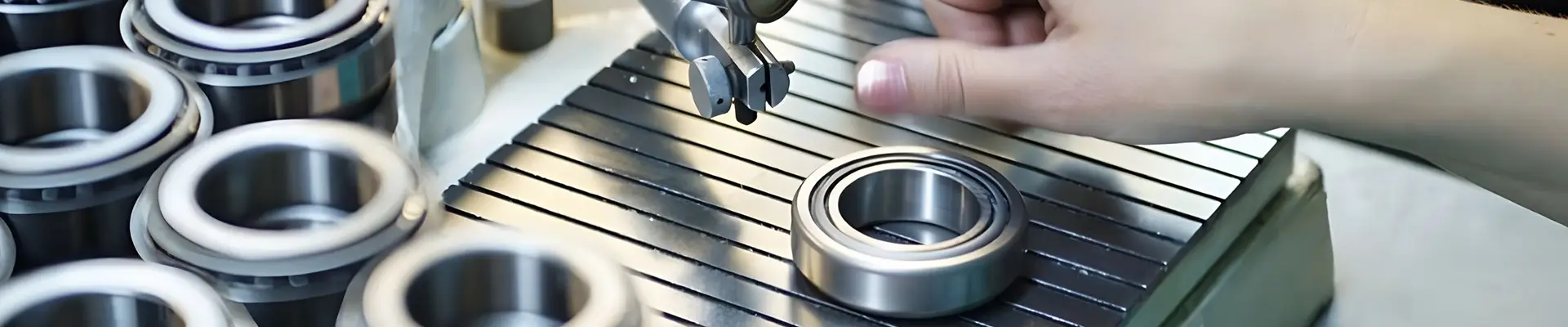
Understanding Thrust Bearings for Elevators: Essential Components for Smooth Operation
Thrust bearings are specialized components designed to support axial loads in various industrial applications, including elevators. In the context of elevator systems, these bearings are essential for ensuring smooth and efficient operation. They are primarily responsible for handling the vertical forces exerted on the elevator's components during operation, especially when the elevator is moving upward or downward.
The design of thrust bearings typically involves a series of balls or rollers arranged between two rings. This configuration allows for the efficient distribution of force across the bearing surface, minimizing friction and wear. In elevators, thrust bearings are often situated at critical points, such as between the elevator motor and the drive system, or within the hoisting equipment.
One of the primary functions of thrust bearings in elevators is to facilitate smooth movement. When an elevator ascends or descends, it encounters various forces that can lead to instability if not properly managed. Thrust bearings allow for the absorption of these axial forces, thus maintaining the stability and reliability of the elevator system. High-performance thrust bearings can significantly reduce wear and tear on the elevator components, leading to longer service life and reduced maintenance costs.
In addition to load-bearing capabilities, thrust bearings also contribute to the overall safety of elevator systems. A malfunctioning bearing can lead to increased friction, overheating, and ultimately failure, which poses safety risks for passengers. Therefore, selecting the right type of thrust bearing and ensuring proper installation is paramount for maintaining the safety standards expected in modern elevators.
When choosing thrust bearings for elevators, factors such as load capacity, speed, and environmental conditions must be considered. For instance, heavy-duty elevators that operate in high-load environments may require bearings made from advanced materials capable of withstanding extreme conditions. Additionally, lubrication plays a significant role in the performance of thrust bearings. Proper lubrication minimizes friction, enhances durability, and ensures efficient operation.
In summary, thrust bearings are vital components in elevator systems, providing necessary support for axial loads and ensuring smooth operation. Understanding their function, design, and maintenance is essential for anyone involved in the industrial equipment and components sector, particularly within the bearing industry. By prioritizing the selection and upkeep of thrust bearings, elevator operators can enhance the performance and safety of their systems, ultimately leading to improved service for users.
The design of thrust bearings typically involves a series of balls or rollers arranged between two rings. This configuration allows for the efficient distribution of force across the bearing surface, minimizing friction and wear. In elevators, thrust bearings are often situated at critical points, such as between the elevator motor and the drive system, or within the hoisting equipment.
One of the primary functions of thrust bearings in elevators is to facilitate smooth movement. When an elevator ascends or descends, it encounters various forces that can lead to instability if not properly managed. Thrust bearings allow for the absorption of these axial forces, thus maintaining the stability and reliability of the elevator system. High-performance thrust bearings can significantly reduce wear and tear on the elevator components, leading to longer service life and reduced maintenance costs.
In addition to load-bearing capabilities, thrust bearings also contribute to the overall safety of elevator systems. A malfunctioning bearing can lead to increased friction, overheating, and ultimately failure, which poses safety risks for passengers. Therefore, selecting the right type of thrust bearing and ensuring proper installation is paramount for maintaining the safety standards expected in modern elevators.
When choosing thrust bearings for elevators, factors such as load capacity, speed, and environmental conditions must be considered. For instance, heavy-duty elevators that operate in high-load environments may require bearings made from advanced materials capable of withstanding extreme conditions. Additionally, lubrication plays a significant role in the performance of thrust bearings. Proper lubrication minimizes friction, enhances durability, and ensures efficient operation.
In summary, thrust bearings are vital components in elevator systems, providing necessary support for axial loads and ensuring smooth operation. Understanding their function, design, and maintenance is essential for anyone involved in the industrial equipment and components sector, particularly within the bearing industry. By prioritizing the selection and upkeep of thrust bearings, elevator operators can enhance the performance and safety of their systems, ultimately leading to improved service for users.
