Welcome to Linqing Hairui Bearing Manufacturing Co., Ltd.


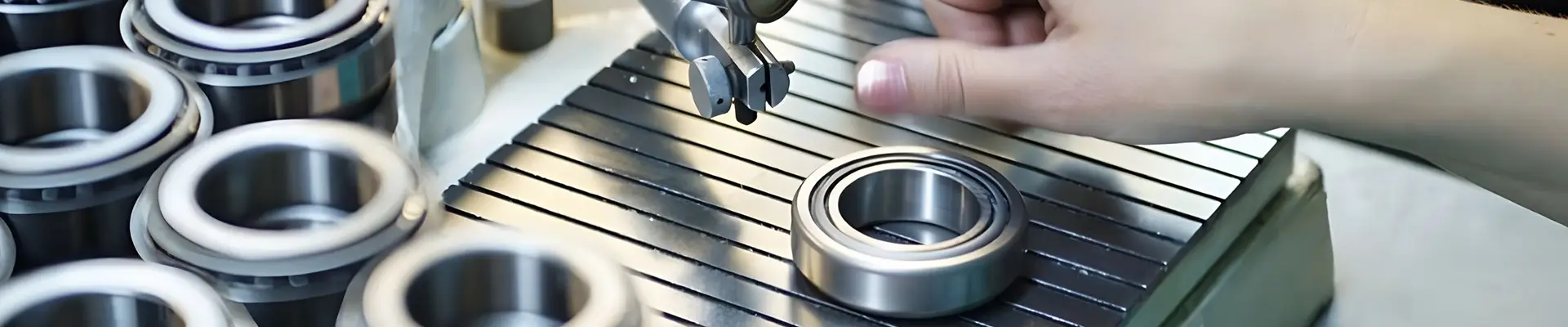
The Science Behind Split Type Cylindrical Roller Bearings: What You Need to Know
The Science Behind Split Type Cylindrical Roller Bearings: What You Need to Know
Table of Contents
- 1. Introduction to Split Type Cylindrical Roller Bearings
- 2. Design Features of Split Type Cylindrical Roller Bearings
- 3. Functionality of Split Type Cylindrical Roller Bearings
- 4. Applications of Split Type Cylindrical Roller Bearings
- 5. Advantages of Using Split Type Cylindrical Roller Bearings
- 6. Maintenance Tips for Split Type Cylindrical Roller Bearings
- 7. Common Issues and Troubleshooting
- 8. Future Trends in Bearing Technology
- 9. Conclusion
- 10. Frequently Asked Questions (FAQs)
1. Introduction to Split Type Cylindrical Roller Bearings
Split type cylindrical roller bearings have revolutionized the industrial sector by providing enhanced performance and flexibility in various applications. Unlike traditional bearings, split type designs allow for easier installation and maintenance, making them particularly valuable in situations where space is limited or regular maintenance is required. In this article, we will explore the science behind these essential components, focusing on their design, functionality, applications, and advantages.
2. Design Features of Split Type Cylindrical Roller Bearings
Split type cylindrical roller bearings are characterized by their unique construction, which typically includes two separate ring halves that can be easily assembled or disassembled. The primary design features include:
2.1. Roller Configuration
The cylindrical rollers within these bearings are aligned in a manner that optimizes load distribution and minimizes friction. This configuration allows for increased load-carrying capacity, making them suitable for heavy-duty applications.
2.2. Split Design
The split feature enables the bearing to be mounted and dismounted without the need for special tools, facilitating quick servicing and replacement. This is particularly advantageous in machinery that requires frequent maintenance.
2.3. Materials
Manufactured from high-quality steel or specialized alloys, split type cylindrical roller bearings offer durability and resistance to wear, heat, and corrosion. The choice of material significantly impacts the bearing's performance and longevity.
3. Functionality of Split Type Cylindrical Roller Bearings
The primary function of split type cylindrical roller bearings is to support rotating shafts while minimizing friction. This functionality can be broken down into several key aspects:
3.1. Load Distribution
The design allows for effective load distribution across the rollers, reducing stress and extending the lifespan of the bearing. This is crucial in high-load applications where conventional bearings may fail.
3.2. Reduced Friction
Split type cylindrical roller bearings are engineered to minimize friction between moving parts. This leads to improved efficiency and reduced energy consumption, benefiting both the environment and operational costs.
3.3. Vibration Damping
These bearings can also absorb vibrations, which is essential for machinery operating at high speeds or under variable loads. This property enhances operational stability and reduces wear on connected components.
4. Applications of Split Type Cylindrical Roller Bearings
Split type cylindrical roller bearings find applications across a wide range of industries, showcasing their versatility and reliability. Some common applications include:
4.1. Heavy Machinery
In construction and mining, these bearings are used in equipment like excavators and bulldozers, where they handle substantial loads and harsh environments.
4.2. Wind Turbines
In the renewable energy sector, split type bearings are employed in wind turbine gearboxes, where they support large rotating shafts while minimizing maintenance down-time.
4.3. Marine Applications
These bearings are utilized in marine engines and propulsion systems, where they withstand heavy loads and corrosive conditions.
4.4. Automotive Industry
In vehicles, split type cylindrical roller bearings are found in drivetrains and wheel hubs, contributing to efficiency and performance.
5. Advantages of Using Split Type Cylindrical Roller Bearings
Choosing split type cylindrical roller bearings offers numerous benefits that make them an appealing option for various industrial applications:
5.1. Ease of Installation and Maintenance
The split design allows for quick installation and removal, reducing labor costs and minimizing machinery downtime.
5.2. Enhanced Performance
With superior load-carrying capacities and reduced friction, these bearings can significantly enhance the performance and efficiency of machinery.
5.3. Customization Options
Split type cylindrical roller bearings can be tailored to meet specific application requirements, including size, material, and lubrication systems.
5.4. Cost-Effectiveness
Although the initial investment may be higher than traditional bearings, the long-term savings in maintenance and operational efficiency make split type bearings a cost-effective choice.
6. Maintenance Tips for Split Type Cylindrical Roller Bearings
To ensure optimal performance and longevity of split type cylindrical roller bearings, regular maintenance is essential. Here are some key maintenance tips:
6.1. Regular Inspections
Conduct routine inspections to identify wear, damage, or misalignment. Early detection can prevent costly failures.
6.2. Lubrication
Proper lubrication is crucial to minimize friction and wear. Ensure the correct type and amount of lubricant is used according to the manufacturer's specifications.
6.3. Temperature Monitoring
Monitor the operating temperature of the bearings. Excessive heat can indicate underlying issues, such as inadequate lubrication or misalignment.
6.4. Cleaning
Keep the bearing housing clean to prevent contamination from dirt and debris. This helps maintain the integrity of the lubrication and overall performance.
7. Common Issues and Troubleshooting
Despite their robust design, split type cylindrical roller bearings can encounter issues. Understanding these problems and their solutions is essential for maintaining performance.
7.1. High Noise Levels
Excessive noise can indicate misalignment or insufficient lubrication. Check alignment and ensure proper lubrication levels to mitigate this issue.
7.2. Overheating
Overheating can result from inadequate lubrication or excessive load. Investigate lubrication systems and load conditions to correct the problem.
7.3. Vibration Issues
Increased vibration often points to wear or damage. Inspect the bearings for signs of wear and replace them as needed to restore stability.
8. Future Trends in Bearing Technology
The bearing industry is continually evolving, with advancements aimed at improving efficiency, durability, and sustainability. Some emerging trends include:
8.1. Smart Bearings
Integrating sensors and IoT technology into bearings allows for real-time monitoring and predictive maintenance, reducing downtime and extending lifespan.
8.2. Advanced Materials
Developments in materials science may lead to bearings that are even more durable, lightweight, and resistant to extreme conditions.
8.3. Sustainability Initiatives
With a growing focus on sustainability, manufacturers are exploring eco-friendly materials and production processes to minimize environmental impact.
9. Conclusion
Split type cylindrical roller bearings play a crucial role in various industrial applications, offering unique design features and functionality that set them apart from traditional bearings. Their advantages, including ease of maintenance, enhanced performance, and cost-effectiveness, make them a preferred choice in many sectors. By understanding the science behind these components, industries can optimize machinery performance and ensure long-term reliability. Regular maintenance and staying informed about emerging trends will further enhance the effectiveness of split type bearings, positioning businesses for success in a competitive landscape.
10. Frequently Asked Questions (FAQs)
10.1. What are split type cylindrical roller bearings used for?
Split type cylindrical roller bearings are primarily used in applications requiring heavy load support and ease of maintenance, such as in heavy machinery, wind turbines, and automotive systems.
10.2. How do I know if my split type cylindrical roller bearings need replacement?
Signs of wear, such as excessive noise, vibrations, or overheating, indicate that it may be time to inspect and potentially replace the bearings.
10.3. Can split type cylindrical roller bearings be customized?
Yes, these bearings can be customized in terms of size, material, and lubrication systems to meet specific application requirements.
10.4. What maintenance is required for split type cylindrical roller bearings?
Regular inspections, proper lubrication, temperature monitoring, and cleanliness are essential maintenance practices for ensuring optimal performance.
10.5. Are split type cylindrical roller bearings more expensive than traditional bearings?
While they may have a higher initial cost, the long-term savings in maintenance and improved efficiency often make split type cylindrical roller bearings a more cost-effective choice.
Related News
