Welcome to Linqing Hairui Bearing Manufacturing Co., Ltd.


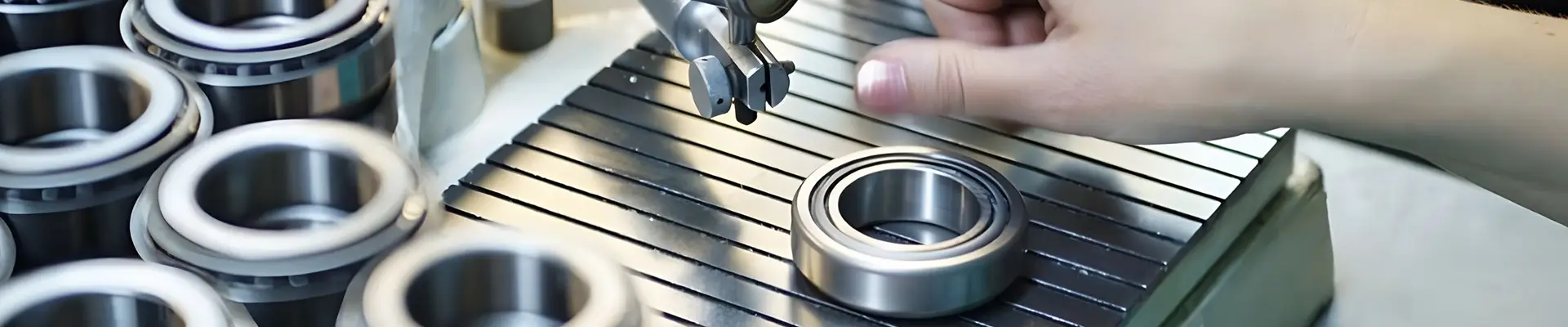
Understanding Tapered Roller Bearings: Essential Insights for Industrial Applications
Tapered roller bearings are designed to support both radial and axial loads, making them a preferred choice in many industrial applications. Their unique design features inner and outer raceways that are tapered to allow for effective load distribution. This design enables the bearing to handle heavy loads while minimizing friction and wear, which enhances the overall efficiency and lifespan of machinery.
One of the key advantages of tapered roller bearings is their ability to accommodate angular misalignment. This characteristic is particularly beneficial in applications where shaft deflection or alignment issues may occur. As a result, tapered roller bearings can maintain stability and performance under various operational conditions, contributing to the longevity of the equipment they support.
In terms of applications, tapered roller bearings are commonly used in automotive, aerospace, and heavy machinery industries. In automotive applications, they play a critical role in wheel hubs, ensuring smooth rotation and stability. Similarly, in heavy machinery, these bearings are used in gearboxes and axle assemblies, where they help manage the complex load requirements inherent in these systems.
When selecting tapered roller bearings for your applications, consider key specifications such as load capacity, speed ratings, and environmental factors. The proper selection ensures optimal performance and reduces the risk of premature failure. Additionally, they come in different sizes and configurations, including single-row, double-row, and four-row designs, providing versatility for various industrial needs.
Maintenance is another crucial aspect of utilizing tapered roller bearings effectively. Regular inspection and lubrication are essential to prevent wear and extend the bearing's operational life. It's important to monitor for signs of damage, such as pitting or discoloration, which can indicate a need for replacement or repair.
In conclusion, tapered roller bearings are indispensable in the industrial sector, providing robust support for various machinery applications. Understanding their design, functionality, and maintenance will empower users to make informed decisions, ultimately leading to enhanced operational efficiency and equipment reliability. By integrating this knowledge into your procurement strategy, you can ensure that you select the right components for your industrial needs, optimizing performance and reducing downtime.
One of the key advantages of tapered roller bearings is their ability to accommodate angular misalignment. This characteristic is particularly beneficial in applications where shaft deflection or alignment issues may occur. As a result, tapered roller bearings can maintain stability and performance under various operational conditions, contributing to the longevity of the equipment they support.
In terms of applications, tapered roller bearings are commonly used in automotive, aerospace, and heavy machinery industries. In automotive applications, they play a critical role in wheel hubs, ensuring smooth rotation and stability. Similarly, in heavy machinery, these bearings are used in gearboxes and axle assemblies, where they help manage the complex load requirements inherent in these systems.
When selecting tapered roller bearings for your applications, consider key specifications such as load capacity, speed ratings, and environmental factors. The proper selection ensures optimal performance and reduces the risk of premature failure. Additionally, they come in different sizes and configurations, including single-row, double-row, and four-row designs, providing versatility for various industrial needs.
Maintenance is another crucial aspect of utilizing tapered roller bearings effectively. Regular inspection and lubrication are essential to prevent wear and extend the bearing's operational life. It's important to monitor for signs of damage, such as pitting or discoloration, which can indicate a need for replacement or repair.
In conclusion, tapered roller bearings are indispensable in the industrial sector, providing robust support for various machinery applications. Understanding their design, functionality, and maintenance will empower users to make informed decisions, ultimately leading to enhanced operational efficiency and equipment reliability. By integrating this knowledge into your procurement strategy, you can ensure that you select the right components for your industrial needs, optimizing performance and reducing downtime.
