Welcome to Linqing Hairui Bearing Manufacturing Co., Ltd.


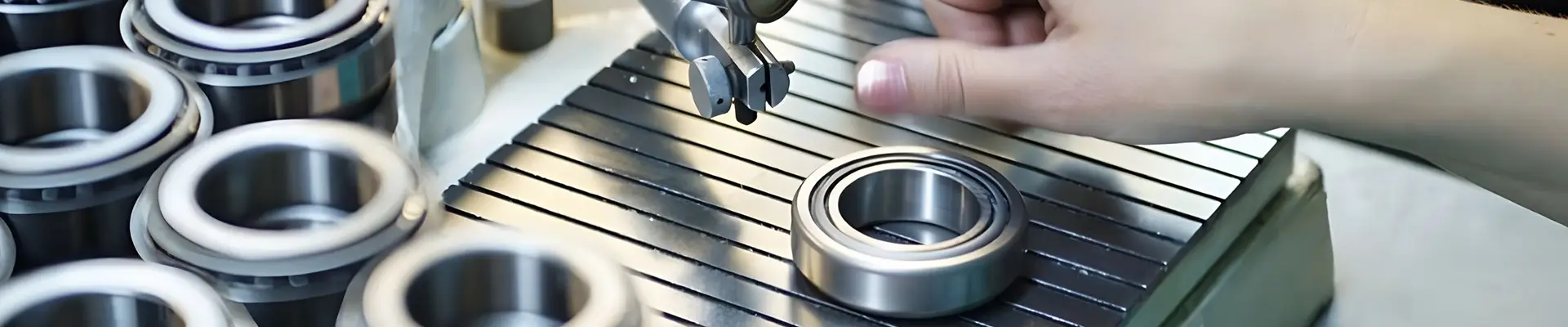
Maximizing Performance: How Double Row Ball Bearings Enhance Equipment Longevity
Maximizing Performance: How Double Row Ball Bearings Enhance Equipment Longevity
Table of Contents
- Understanding Double Row Ball Bearings
- Benefits of Double Row Ball Bearings
- Applications of Double Row Ball Bearings
- How to Choose the Right Double Row Ball Bearing
- Maintenance Tips for Double Row Ball Bearings
- Troubleshooting Common Issues with Double Row Ball Bearings
- The Impact of Quality on Performance
- Conclusion
- FAQs
Understanding Double Row Ball Bearings
Double row ball bearings are essential components in various industrial applications, designed to accommodate both radial and axial loads. Unlike single-row designs, which can only handle one direction of thrust, double row ball bearings consist of two rows of balls, allowing for greater load distribution and stability. This increased capacity makes them ideal for high-load and high-speed applications.
These bearings are constructed from high-quality materials, typically chrome steel or stainless steel, which enhances their durability and resistance to wear and corrosion. The unique design enables them to operate efficiently in environments where space is limited, making them a popular choice in machinery, automotive applications, and industrial equipment.
Benefits of Double Row Ball Bearings
The advantages of utilizing double row ball bearings extend beyond their structural integrity. Here are some key benefits that contribute to equipment longevity and performance:
1. Enhanced Load-Bearing Capacity
Double row ball bearings can distribute loads more effectively due to their dual ball rows. This design feature allows them to carry heavier loads without compromising performance, making them ideal for heavy machinery and equipment.
2. Improved Stability and Alignment
The symmetrical design of double row ball bearings offers superior alignment and stability, reducing vibrations and ensuring smoother operation. This stability minimizes the risk of wear and tear on surrounding components, ultimately prolonging the lifespan of the equipment.
3. Reduced Maintenance Needs
With their robust construction and efficient load distribution, double row ball bearings typically require less frequent maintenance compared to other bearing types. This feature translates into lower operational costs and reduced downtime, enhancing overall productivity.
4. Versatile Applications
Double row ball bearings are suitable for a wide range of applications, including electric motors, conveyor systems, and automotive components. Their versatility makes them a valuable addition to various industrial setups.
5. Higher Speed Capabilities
These bearings can handle higher rotational speeds while maintaining performance and integrity. This capability is essential in high-speed machinery where precision and reliability are paramount.
Applications of Double Row Ball Bearings
Double row ball bearings find utility in numerous industries and applications. Below are some of the most common areas where these components excel:
1. Industrial Machinery
In manufacturing settings, double row ball bearings are frequently used in conveyor systems, pumps, and compressors. Their ability to handle heavy loads and high speeds makes them indispensable in maintaining efficient production processes.
2. Automotive Industry
Vehicles utilize double row ball bearings in various components, including wheel hubs, transmission systems, and steering mechanisms. The durability and reliability of these bearings are crucial for ensuring vehicle safety and performance.
3. Marine Applications
In marine environments, equipment is exposed to harsh conditions that can lead to corrosion and wear. Double row ball bearings made from corrosion-resistant materials are perfect for applications like boat motors and winches, providing longevity and performance.
4. Aerospace Sector
In the aerospace industry, precision and reliability are non-negotiable. Double row ball bearings are used in aircraft engines and landing gear systems to ensure safe and efficient operation under extreme conditions.
5. Electrical Equipment
Electric motors and generators frequently employ double row ball bearings to support rotors and reduce friction. This application enhances energy efficiency and equipment lifespan.
How to Choose the Right Double Row Ball Bearing
Selecting the right double row ball bearing for your specific application requires careful consideration of several factors:
1. Load Requirements
Evaluate the load conditions your equipment will encounter. Consider both dynamic (operating) and static loads to determine the appropriate bearing capacity.
2. Speed Ratings
Assess the operational speed of your machinery. Ensure that the selected bearing can handle the maximum speed without overheating or excessive wear.
3. Material Composition
Choose bearings constructed from materials that will withstand the environmental conditions of your application. Corrosion-resistant materials are essential in harsh environments, while standard steel may suffice for indoor applications.
4. Design Configuration
Consider whether a standard or customized design is required. Specialized configurations can enhance performance for unique applications.
5. Manufacturer Reputation
Always opt for reputable manufacturers known for quality and reliability. Research their track record in delivering durable and high-performance bearings.
Maintenance Tips for Double Row Ball Bearings
To maximize the lifespan and efficiency of double row ball bearings, regular maintenance is crucial. Here are some essential tips:
1. Regular Inspections
Conduct routine inspections to check for signs of wear, corrosion, or misalignment. Early detection of potential issues can prevent costly repairs.
2. Lubrication
Proper lubrication is vital for reducing friction and preventing overheating. Use the manufacturer's recommended lubricant and intervals for best results.
3. Cleanliness
Keep the bearings and surrounding areas clean to prevent debris and contaminants from causing damage. Use appropriate cleaning methods to avoid compromising bearing integrity.
4. Load Management
Monitor load conditions to ensure they remain within the bearing’s rated capacity. Overloading can lead to premature failure.
5. Environmental Considerations
Protect bearings from exposure to extreme temperatures, moisture, and corrosive substances. Implementing protective measures will enhance their durability.
Troubleshooting Common Issues with Double Row Ball Bearings
Even with proper maintenance, certain issues can arise with double row ball bearings. Here’s how to troubleshoot common problems:
1. Noise and Vibration
If the bearings produce excessive noise or vibration, check for misalignment, lubrication issues, or wear. Addressing these factors promptly can prevent further damage.
2. Overheating
Overheating may indicate inadequate lubrication or excessive load. Ensure proper lubrication and verify that the load remains within specifications.
3. Corrosion
Corrosion can severely impact bearing performance. If corrosion is observed, assess environmental exposure and consider switching to corrosion-resistant materials.
4. Seizures
Bearing seizure can occur due to lack of lubrication or contamination. Regularly maintain and inspect the bearings to prevent this issue.
5. Reduced Performance
If performance declines, evaluate load, speed, and lubrication conditions. Address any discrepancies to restore optimal performance.
The Impact of Quality on Performance
The quality of double row ball bearings directly affects their performance and longevity. Choosing high-quality bearings ensures superior load capacity, reduced friction, and greater resistance to wear and environmental factors. Investing in reputable brands and adhering to industry standards is vital for achieving optimal results.
Conclusion
Double row ball bearings are invaluable components that significantly enhance the performance and longevity of industrial equipment. By understanding their benefits, applications, and maintenance requirements, businesses can make informed decisions that lead to improved efficiency and reduced operational costs. Prioritizing quality and proper selection will ensure that your equipment operates at peak performance for years to come.
FAQs
1. What are double row ball bearings used for?
Double row ball bearings are used in various applications, including industrial machinery, automotive components, and marine equipment, to handle both radial and axial loads effectively.
2. How do I know when to replace my double row ball bearings?
Signs of wear, such as excessive noise, vibration, or overheating, indicate that it may be time to replace your bearings.
3. Can double row ball bearings be lubricated?
Yes, regular lubrication is essential for maintaining the performance and longevity of double row ball bearings. Always use the recommended lubricant.
4. What factors affect the lifespan of double row ball bearings?
Key factors include load conditions, speed, lubrication, and environmental exposure. Proper maintenance can significantly extend their lifespan.
5. Are all double row ball bearings the same?
No, double row ball bearings come in various designs, materials, and specifications to accommodate different applications and performance requirements.
Related News
