Welcome to Linqing Hairui Bearing Manufacturing Co., Ltd.


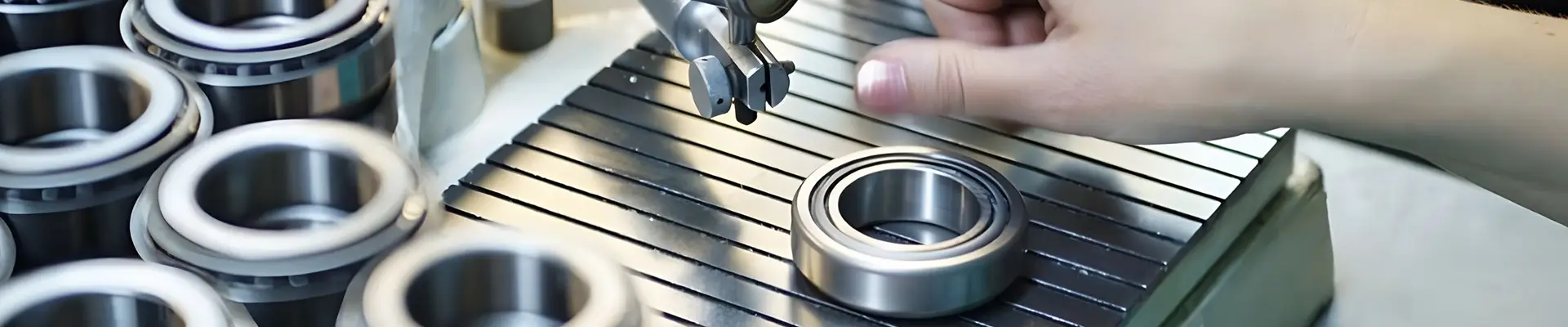
Troubleshooting Self Aligning Ball Bearings: What You Need to Know
Troubleshooting Self Aligning Ball Bearings: What You Need to Know
Self-aligning ball bearings are essential components in various machinery and equipment, offering superior performance and reliability. However, like any mechanical part, they can encounter issues that hamper their function. This comprehensive guide will delve into the ins and outs of troubleshooting self-aligning ball bearings, equipping you with the necessary knowledge and strategies to address common problems effectively.
Table of Contents
1. Understanding Self Aligning Ball Bearings
2. Common Issues with Self Aligning Ball Bearings
3. Symptoms of Malfunctioning Self Aligning Ball Bearings
4. Diagnostic Techniques for Troubleshooting
5. Solutions to Common Self Aligning Ball Bearing Problems
6. Maintenance Best Practices for Longevity
7. When to Seek Professional Help
8. FAQs
1. Understanding Self Aligning Ball Bearings
Self-aligning ball bearings consist of an inner and outer race and a ball retainer, allowing for slight misalignments during operation. This feature makes them particularly valuable in applications where shaft misalignment may occur, such as in construction equipment, textile machinery, and agricultural machinery. The self-aligning capability helps distribute loads evenly, reducing wear and extending the service life.
2. Common Issues with Self Aligning Ball Bearings
Despite their advantages, self-aligning ball bearings can encounter several common issues:
2.1 Misalignment
Misalignment can occur due to improper installation, wear over time, or external factors affecting the machine's structure. This issue can lead to uneven load distribution, increasing wear on the bearing.
2.2 Insufficient Lubrication
A lack of proper lubrication can cause bearings to overheat and fail prematurely. It often results from infrequent maintenance or using the wrong type of lubricant.
2.3 Contamination
Dust, dirt, and other contaminants can infiltrate the bearing, leading to increased friction and wear. This issue is especially prevalent in environments with high levels of airborne particles.
2.4 Overloading
Exceeding the manufacturer's load specifications can lead to bearing failure. Overloading can occur due to improper sizing or unexpected load changes in the machinery.
3. Symptoms of Malfunctioning Self Aligning Ball Bearings
Identifying symptoms early can prevent more significant problems down the line.
3.1 Unusual Noises
Grinding, squeaking, or rattling noises can indicate wear or damage within the bearing.
3.2 Excessive Heat
Bearings that run hotter than usual may be suffering from insufficient lubrication or misalignment.
3.3 Vibration
Increased vibration levels can signal imbalance or misalignment within the bearing and should be addressed immediately.
3.4 Visible Wear or Damage
Physical inspection may reveal cracks, pitting, or discoloration on the bearing surfaces, indicating deterioration.
4. Diagnostic Techniques for Troubleshooting
Effective troubleshooting requires a systematic approach to diagnosing the issue.
4.1 Visual Inspection
Inspect the bearing for visible damage, excessive wear, or signs of contamination. A clear visual examination can often identify obvious issues.
4.2 Temperature Measurement
Using a thermal imaging camera or infrared thermometer can help detect overheating bearings, allowing for early intervention.
4.3 Vibration Analysis
Monitor vibration levels using specialized equipment. This analysis can reveal misalignment or imbalance, providing critical information for repair.
4.4 Lubrication Assessment
Evaluate the lubrication method and condition. Inspect grease quality, consistency, and application frequency to ensure optimal operation.
5. Solutions to Common Self Aligning Ball Bearing Problems
Once the issues have been diagnosed, implementing the right solutions is crucial.
5.1 Realignment
If misalignment is the issue, adjust the mounting positions to ensure proper alignment of the bearing within its housing.
5.2 Lubrication Application
Reassess the lubrication schedule and types of greases used. Implement a regular maintenance schedule that adheres to manufacturer recommendations.
5.3 Cleaning and Replacing Bearings
If contamination is suspected, thoroughly clean the bearing environment and replace the bearing if necessary.
5.4 Load Adjustment
Evaluate the operating conditions and adjust loads to ensure they remain within specified limits.
6. Maintenance Best Practices for Longevity
Preventive maintenance is the key to ensuring the longevity and efficiency of self-aligning ball bearings.
6.1 Regular Inspections
Conduct routine inspections to identify early signs of wear or damage.
6.2 Proper Lubrication Techniques
Utilize the appropriate lubricants and follow the correct application procedures to maintain optimal bearing performance.
6.3 Environmental Considerations
Keep the surrounding area clean and free of contaminants that could affect the bearing's function.
6.4 Training and Awareness
Ensure that all personnel handling the equipment are trained in proper maintenance and troubleshooting methods.
7. When to Seek Professional Help
While many issues can be resolved in-house, some situations require professional expertise.
7.1 Persistent Problems
If issues persist despite your troubleshooting efforts, consulting with a professional may save time and resources.
7.2 Major Repairs
For significant repairs or replacements, relying on trained technicians can ensure the job is done correctly.
7.3 Upgrades and Replacements
Consider professional assistance when upgrading or replacing bearings to ensure compatibility and efficiency.
8. FAQs
8.1 What are self-aligning ball bearings?
Self-aligning ball bearings are designed to accommodate minor misalignments, providing enhanced performance in various applications.
8.2 How can I tell if my self-aligning ball bearing is failing?
Signs of failure may include unusual noises, excessive heat, increased vibration, or visible damage.
8.3 What type of lubrication should I use for self-aligning ball bearings?
Always refer to the manufacturer's specifications for the recommended lubricant type and application frequency.
8.4 Can I repair a damaged self-aligning ball bearing?
In some cases, bearings can be cleaned and repaired; however, severe damage typically necessitates replacement.
8.5 How often should I inspect self-aligning ball bearings?
Regular inspections should be conducted based on operational hours and environmental conditions, typically every few months.
Conclusion
Troubleshooting self-aligning ball bearings involves understanding their functionality, recognizing common issues, and implementing effective solutions. By adhering to best maintenance practices and staying vigilant, you can significantly extend the lifespan of these vital components. Whether you're dealing with misalignment, lubrication issues, or contamination, this guide provides the necessary insights to effectively manage and troubleshoot your self-aligning ball bearings, ensuring your industrial equipment continues to run smoothly and efficiently.
Related News
