Welcome to Linqing Hairui Bearing Manufacturing Co., Ltd.


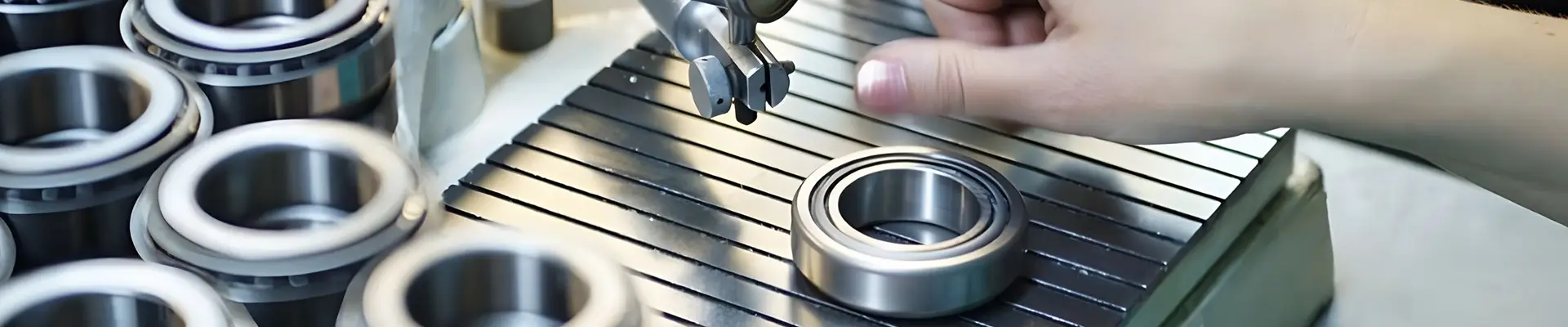
Understanding Tapered Roller Bearings: Essential Insights for Industrial Applications
Tapered roller bearings are specifically engineered to accommodate combined loads, making them a popular choice in a variety of machinery, including automotive, heavy construction equipment, and industrial machinery. The unique design features conical rolling elements that allow the bearings to handle both radial and axial forces, which is essential for applications requiring high precision and durability.
One of the key characteristics of tapered roller bearings is their capacity to support substantial loads while maintaining a compact design. The tapered shape of the rollers enables better contact with the raceway, which enhances load distribution and minimizes stress on the bearing surfaces. This design not only improves performance but also extends the lifespan of the bearings, making them a cost-effective option for many industries.
When it comes to installation, tapered roller bearings require precise alignment and adjustment to ensure optimal performance. Proper mounting techniques are crucial; misalignment can lead to premature wear and bearing failure. It is also important to consider the lubrication of the bearings, as proper lubrication reduces friction and heat generation, further enhancing bearing life.
The selection of tapered roller bearings should also take into account the operating conditions they will face. Factors such as load type (static or dynamic), speed, temperature, and environmental conditions can significantly influence the performance of these bearings. Therefore, it is essential to match the bearing specifications with the application's requirements to ensure maximum efficiency and reliability.
In addition to their mechanical properties, tapered roller bearings are available in various configurations and sizes to meet diverse industrial needs. Whether you need single-row, double-row, or four-row configurations, there is likely a suitable tapered roller bearing for your specific application. Understanding these differences can assist in making informed decisions when sourcing these components for your equipment.
As industries continue to evolve with advancements in technology, the demand for high-performance components like tapered roller bearings will only increase. Engineers and maintenance professionals must stay informed about the latest developments and best practices regarding these bearings to ensure their machinery operates at peak performance.
In conclusion, tapered roller bearings are a vital component in many industrial applications, recognized for their ability to handle complex loads while maintaining efficiency and reliability. By considering the key factors outlined in this article, you can make informed decisions that enhance the performance and longevity of your industrial equipment.
One of the key characteristics of tapered roller bearings is their capacity to support substantial loads while maintaining a compact design. The tapered shape of the rollers enables better contact with the raceway, which enhances load distribution and minimizes stress on the bearing surfaces. This design not only improves performance but also extends the lifespan of the bearings, making them a cost-effective option for many industries.
When it comes to installation, tapered roller bearings require precise alignment and adjustment to ensure optimal performance. Proper mounting techniques are crucial; misalignment can lead to premature wear and bearing failure. It is also important to consider the lubrication of the bearings, as proper lubrication reduces friction and heat generation, further enhancing bearing life.
The selection of tapered roller bearings should also take into account the operating conditions they will face. Factors such as load type (static or dynamic), speed, temperature, and environmental conditions can significantly influence the performance of these bearings. Therefore, it is essential to match the bearing specifications with the application's requirements to ensure maximum efficiency and reliability.
In addition to their mechanical properties, tapered roller bearings are available in various configurations and sizes to meet diverse industrial needs. Whether you need single-row, double-row, or four-row configurations, there is likely a suitable tapered roller bearing for your specific application. Understanding these differences can assist in making informed decisions when sourcing these components for your equipment.
As industries continue to evolve with advancements in technology, the demand for high-performance components like tapered roller bearings will only increase. Engineers and maintenance professionals must stay informed about the latest developments and best practices regarding these bearings to ensure their machinery operates at peak performance.
In conclusion, tapered roller bearings are a vital component in many industrial applications, recognized for their ability to handle complex loads while maintaining efficiency and reliability. By considering the key factors outlined in this article, you can make informed decisions that enhance the performance and longevity of your industrial equipment.
Related News
