Welcome to Linqing Hairui Bearing Manufacturing Co., Ltd.


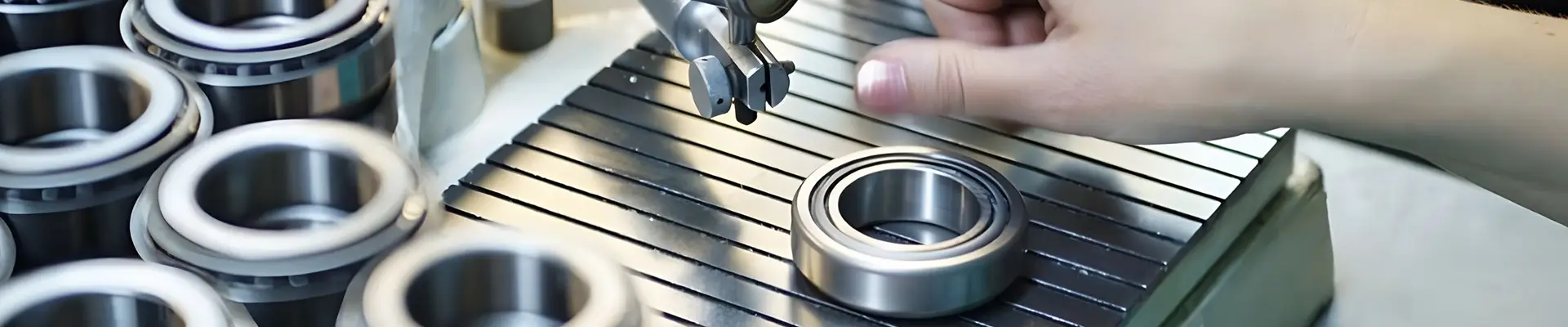
Understanding Spherical Roller Bearings: Key Insights for Industrial Applications
Spherical roller bearings are designed to accommodate misalignments and heavy radial loads, making them suitable for a wide range of industrial applications. Their construction consists of an outer ring with a spherical raceway, which allows the inner ring and rollers to adjust their position. This feature significantly enhances their ability to handle both radial and axial loads, often found in heavy machinery and equipment.
One of the key benefits of spherical roller bearings is their self-aligning capability. Unlike other bearing types, they can tolerate misalignment due to shaft deflection or mounting inaccuracies without compromising performance. This characteristic not only prolongs the life of the bearing but also reduces the risk of failures and downtime in machinery operations.
Moreover, these bearings are designed to handle high loads due to their large roller diameter and optimized distribution of load among the rolling elements. This makes them particularly useful in applications such as wind turbines, construction equipment, and heavy-duty motors, where reliability under extreme conditions is paramount.
When selecting spherical roller bearings, it is vital to consider several factors, including the operating environment, load conditions, and maintenance requirements. Proper lubrication is essential to ensure optimal performance and longevity of the bearings. Depending on the application, different types of grease or oil may be recommended, and regular maintenance can help prevent premature wear.
In addition, it is important to assess the bearing's speed rating and temperature tolerance to ensure it matches the specific operational demands of your machinery. Using bearings that are well-suited to your application not only enhances performance but also contributes to overall operational efficiency.
While spherical roller bearings are renowned for their robustness, they can also be sensitive to contamination. Therefore, implementing effective sealing solutions can protect them from dirt, moisture, and other contaminants, further enhancing their reliability and extending their service life.
In conclusion, spherical roller bearings play a vital role in ensuring the dependable operation of industrial machinery. Their unique design features, self-aligning capabilities, and load-handling capacity make them an excellent choice for various applications. Understanding their characteristics and proper maintenance can significantly impact machinery performance and longevity, making them an indispensable part of industrial equipment.
One of the key benefits of spherical roller bearings is their self-aligning capability. Unlike other bearing types, they can tolerate misalignment due to shaft deflection or mounting inaccuracies without compromising performance. This characteristic not only prolongs the life of the bearing but also reduces the risk of failures and downtime in machinery operations.
Moreover, these bearings are designed to handle high loads due to their large roller diameter and optimized distribution of load among the rolling elements. This makes them particularly useful in applications such as wind turbines, construction equipment, and heavy-duty motors, where reliability under extreme conditions is paramount.
When selecting spherical roller bearings, it is vital to consider several factors, including the operating environment, load conditions, and maintenance requirements. Proper lubrication is essential to ensure optimal performance and longevity of the bearings. Depending on the application, different types of grease or oil may be recommended, and regular maintenance can help prevent premature wear.
In addition, it is important to assess the bearing's speed rating and temperature tolerance to ensure it matches the specific operational demands of your machinery. Using bearings that are well-suited to your application not only enhances performance but also contributes to overall operational efficiency.
While spherical roller bearings are renowned for their robustness, they can also be sensitive to contamination. Therefore, implementing effective sealing solutions can protect them from dirt, moisture, and other contaminants, further enhancing their reliability and extending their service life.
In conclusion, spherical roller bearings play a vital role in ensuring the dependable operation of industrial machinery. Their unique design features, self-aligning capabilities, and load-handling capacity make them an excellent choice for various applications. Understanding their characteristics and proper maintenance can significantly impact machinery performance and longevity, making them an indispensable part of industrial equipment.
Related News
