Welcome to Linqing Hairui Bearing Manufacturing Co., Ltd.


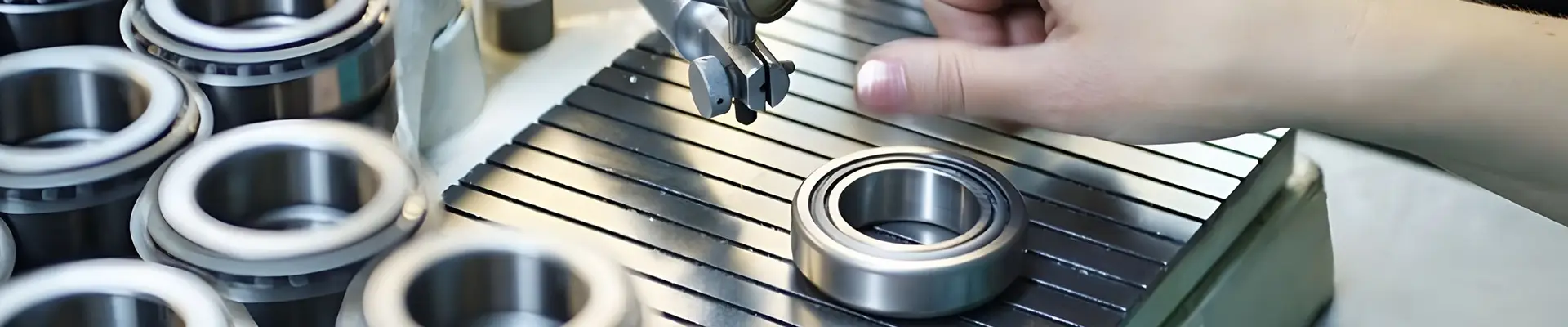
How to Choose the Right Needle Roller Bearings for Your Machinery: A Comprehensive Guide
How to Choose the Right Needle Roller Bearings for Your Machinery
Choosing the right needle roller bearings is crucial for the efficiency and longevity of your machinery. These tiny components play a significant role in reducing friction between rotating and stationary parts, ensuring smooth operation. In this guide, we will delve deep into the world of needle roller bearings, exploring their types, applications, and essential selection criteria.
Table of Contents
- Understanding Needle Roller Bearings
- Types of Needle Roller Bearings
- Applications of Needle Roller Bearings
- Key Factors to Consider When Selecting Needle Roller Bearings
- Installation and Maintenance Tips
- Common Mistakes to Avoid
- Conclusion
- FAQs
Understanding Needle Roller Bearings
Needle roller bearings are a type of bearing that uses long, thin cylindrical rollers—resembling needles—to support a rotating shaft. This design allows them to have a high load-carrying capacity while minimizing friction. Compared to traditional ball bearings, needle roller bearings are more compact and can accommodate larger loads in a smaller space, making them ideal for various industrial applications.
The Advantages of Needle Roller Bearings
1. **Space Efficiency**: Their slender profile allows for a significant load capacity within a limited space.
2. **Low Friction**: The rolling action of the needle rollers reduces friction, enhancing efficiency and performance.
3. **Versatility**: These bearings can be used in various applications, from automotive to industrial machinery.
4. **Durability**: Needle roller bearings often feature high wear resistance, leading to a longer operational lifespan.
Types of Needle Roller Bearings
Selecting the right type of needle roller bearing is essential for optimal machinery performance. Here are some of the most common types:
1. Caged Needle Roller Bearings
Caged needle roller bearings have a cage that separates the needle rollers, ensuring they maintain even spacing during rotation. This design minimizes friction and enhances performance.
2. Needle Roller and Cage Assemblies
These consist of a needle roller and a cage, but they are not mounted on a shaft. Instead, they are used in conjunction with another component, such as a shaft or housing, to support rotating motion.
3. Drawn Cup Needle Roller Bearings
Drawn cup needle roller bearings feature a thin-walled outer shell that provides a compact design. They are typically used when low weight and space are critical, such as in automotive applications.
4. Solid Needle Roller Bearings
These consist of solid cylindrical rollers and are ideal for high-load applications. They offer superior strength and durability, making them suitable for heavy machinery.
Applications of Needle Roller Bearings
Needle roller bearings are used in a variety of industries due to their efficiency and versatility. Here are some common applications:
1. Automotive Industry
In vehicles, needle roller bearings are often used in transmissions, differentials, and engine components, where they help reduce friction for smoother operation.
2. Industrial Machinery
Heavy-duty machinery, such as conveyors, grinders, and milling machines, rely on needle roller bearings for their ability to handle high loads while maintaining precision.
3. Agriculture Equipment
Agricultural machinery, including tractors and harvesters, use needle roller bearings to ensure reliable performance in demanding environments.
4. Aerospace Applications
In the aerospace sector, lightweight and high-strength needle roller bearings are crucial for ensuring the efficiency and safety of aircraft components.
Key Factors to Consider When Selecting Needle Roller Bearings
Choosing the right needle roller bearings requires careful consideration of various factors. Here are some critical aspects to keep in mind:
1. Load Capacity
Evaluate the load requirements of your application. Needle roller bearings have different load capacities, and selecting the right one ensures optimal performance.
2. Speed Ratings
Different needle roller bearings are rated for specific speed limits. Ensure that the bearing you choose meets the operational speed requirements of your machinery.
3. Operating Environment
Consider the environmental conditions in which the bearings will operate. Factors such as temperature, humidity, and exposure to contaminants can affect bearing performance and lifespan.
4. Lubrication Options
Proper lubrication is essential for needle roller bearings. Determine whether you will use grease or oil and select a bearing compatible with your chosen lubrication method.
5. Installation Requirements
Different types of needle roller bearings may have varying installation requirements. Ensure you choose a bearing that fits seamlessly into your machinery design.
Installation and Maintenance Tips
To ensure the longevity and efficiency of needle roller bearings, proper installation and maintenance are paramount. Here are some tips to keep your bearings in optimal condition:
1. Cleanliness is Key
Before installation, ensure that both the bearing and housing are clean. Contaminants can lead to premature wear and failure.
2. Use Proper Tools
Employ the right tools for installation to prevent damage to the bearings. Following the manufacturer’s guidelines during installation is essential.
3. Regular Inspections
Conduct routine inspections to check for signs of wear or contamination. Early detection of issues can prevent costly downtime and repairs.
4. Maintain Lubrication
Ensure proper lubrication at all times. Depending on the application, establish a regular lubrication schedule to keep bearings operating efficiently.
Common Mistakes to Avoid
Even seasoned professionals can make mistakes when selecting and installing needle roller bearings. Here are some common pitfalls to avoid:
1. Ignoring Load Ratings
Selecting a bearing without considering its load capacity can result in premature failure. Always match the bearing to your application’s specific load requirements.
2. Overlooking Environmental Factors
Failing to account for operating conditions can lead to bearing damage. Make sure to choose bearings designed for your specific environment.
3. Neglecting Maintenance
Inadequate maintenance can result in unexpected failures. Implement a consistent maintenance routine to keep your bearings in optimal condition.
4. Incorrect Installation
Improper installation can lead to misalignment and failure. Always follow manufacturer guidelines and use the right tools.
Conclusion
Selecting the right needle roller bearings for your machinery is a vital aspect of ensuring operational efficiency and longevity. By understanding the various types, applications, and critical factors to consider, you can make informed decisions that enhance the performance of your equipment. Proper installation and maintenance further contribute to the durability of these essential components. With the right knowledge and resources at your disposal, you can optimize your machinery’s performance and avoid the pitfalls that lead to costly repairs.
FAQs
1. What are needle roller bearings used for?
Needle roller bearings are primarily used to support rotating shafts and reduce friction in machinery across various industries, including automotive, industrial, and aerospace.
2. How do I determine the right size of needle roller bearing?
To determine the right size, consider the load capacity, speed ratings, and installation requirements specific to your application.
3. Can needle roller bearings operate in harsh environments?
Yes, but it’s essential to select bearings specifically designed for harsh conditions and ensure proper lubrication to maintain performance.
4. How often should I lubricate needle roller bearings?
Lubrication frequency depends on the application, but regular checks and adherence to a lubrication schedule are crucial for maintaining bearing health.
5. What common issues arise with needle roller bearings?
Common issues include excessive wear, overheating, and misalignment, often caused by inadequate lubrication or improper installation. Regular inspections can help prevent these problems.
