Welcome to Linqing Hairui Bearing Manufacturing Co., Ltd.


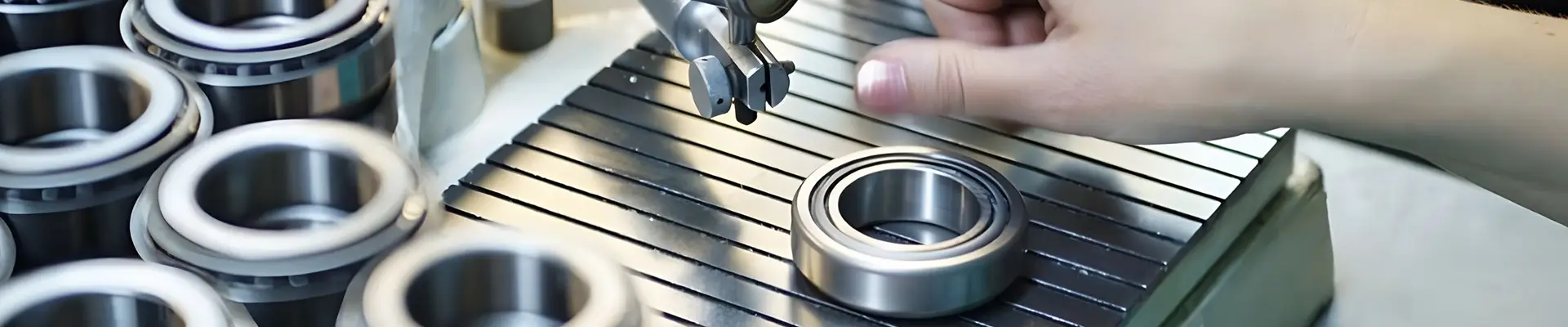
Understanding Spherical Plain Bearings: Essential Insights for Industrial Applications
Spherical plain bearings, also known as spherical bearings, are designed to accommodate angular misalignment between shafts and housing in machinery. Unlike traditional bearings, which may restrict movement to linear or rotational motion in a single plane, spherical plain bearings offer a unique design that allows for multi-directional movement. This feature is particularly beneficial for applications where adjustments and misalignments are common, such as in construction equipment, aerospace technology, and automotive systems.
One of the primary advantages of spherical plain bearings is their ability to handle significant radial and axial loads while maintaining smooth operation. These bearings typically consist of an inner ring with a spherical surface and an outer ring that is also designed with a matching spherical geometry. This design allows for the necessary movement while distributing loads evenly, which ultimately extends the lifespan of both the bearing and the equipment it supports.

When selecting spherical plain bearings for a specific application, it is crucial to consider several factors. Load capacity, operating environment, and the level of misalignment expected should all be assessed. For instance, if the bearing will be exposed to extreme temperatures, moisture, or contaminants, choosing materials that can withstand these conditions, such as stainless steel or specially coated options, will enhance durability.
Maintenance is another critical aspect of ensuring the efficient performance of spherical plain bearings. Regular inspection for wear and tear, along with appropriate lubrication, can significantly extend the service life of these components. It is advisable to follow manufacturer recommendations for lubrication types and intervals, as the wrong choices can lead to premature failure.
In summary, understanding spherical plain bearings is essential for professionals in the industrial equipment and components sector. Their capacity to accommodate misalignment while supporting substantial loads makes them invaluable in various applications. By selecting the right bearing for specific needs and implementing a diligent maintenance regimen, professionals can enhance equipment performance and longevity, thus contributing to operational efficiency and productivity.
Related News
