Welcome to Linqing Hairui Bearing Manufacturing Co., Ltd.


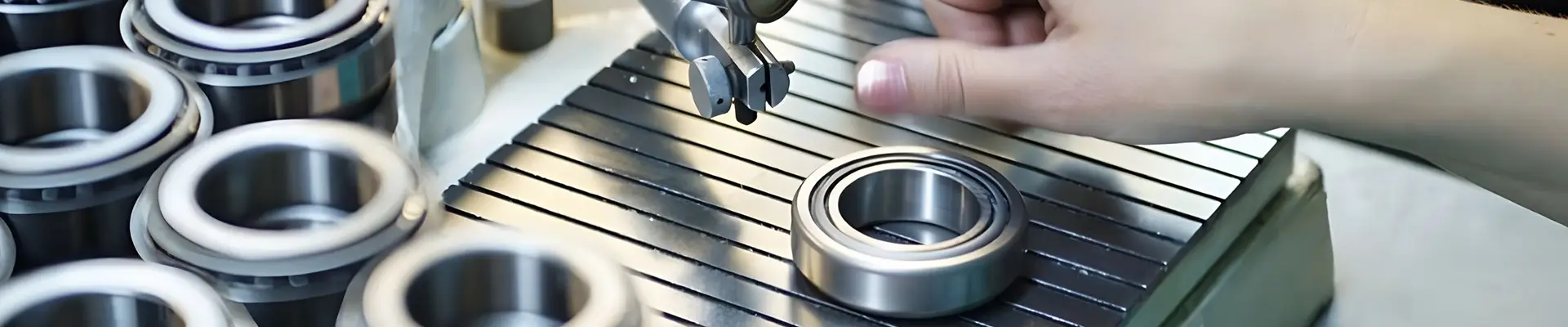
Double Row Ball Bearings: A Comprehensive Guide to Understanding and Selecting the Best Options
Double Row Ball Bearings: A Guide to Understanding and Selecting
Table of Contents
- 1. Introduction to Double Row Ball Bearings
- 2. Design and Structure of Double Row Ball Bearings
- 3. Advantages of Double Row Ball Bearings
- 4. Applications of Double Row Ball Bearings
- 5. How to Select Double Row Ball Bearings
- 6. Maintenance and Longevity of Double Row Ball Bearings
- 7. Troubleshooting Common Issues
- 8. Conclusion
- 9. Frequently Asked Questions
1. Introduction to Double Row Ball Bearings
Double row ball bearings are vital components in various mechanical systems, providing enhanced performance and longevity. Unlike single row bearings, double row ball bearings consist of two rows of balls, allowing them to handle heavier loads and provide greater stability. In this guide, we will delve into the design, applications, and selection criteria of double row ball bearings, aiming to equip you with the knowledge to make informed choices.
2. Design and Structure of Double Row Ball Bearings
The design of double row ball bearings is characterized by two rows of balls that are housed within the inner and outer rings. This configuration allows them to support radial loads and axial loads in both directions.
2.1 Components of Double Row Ball Bearings
The essential components include:
- **Inner Ring**: The inner ring has grooves that accommodate the balls and rotates with the shaft.
- **Outer Ring**: The outer ring remains stationary and provides a stable surface for load-bearing.
- **Balls**: The balls transfer loads and reduce friction.
- **Retainers**: These hold the balls in position and ensure they roll smoothly.
2.2 Types of Double Row Ball Bearings
Double row ball bearings are available in various types, including:
- **Deep Groove Double Row Ball Bearings**: These are versatile and can handle both radial and axial loads.
- **Angular Contact Double Row Ball Bearings**: Designed to accommodate higher speeds and heavier loads, they are ideal for applications requiring precision.
3. Advantages of Double Row Ball Bearings
Double row ball bearings offer several advantages over their single row counterparts:
3.1 High Load Capacity
The dual-row design allows for a greater number of balls, which increases the bearing's load capacity significantly.
3.2 Enhanced Stability
These bearings provide improved stability and are less prone to misalignment, making them suitable for high-performance applications.
3.3 Reduced Wear and Tear
The load distribution across two rows of balls reduces wear and tear, prolonging the lifespan of the bearing.
4. Applications of Double Row Ball Bearings
Double row ball bearings find applications in a variety of industries, including:
4.1 Automotive
In automotive applications, these bearings are used in wheel hubs, transmissions, and various rotating components.
4.2 Industrial Machinery
They are commonly found in pumps, conveyors, and other machinery where reliable performance is critical.
4.3 Aviation and Aerospace
The aerospace industry relies on double row ball bearings for their lightweight and high-load capabilities.
5. How to Select Double Row Ball Bearings
Selecting the right double row ball bearing involves several considerations to ensure optimal performance.
5.1 Key Considerations for Selection
- **Load Requirements**: Understand the load that the bearing will need to support and choose a bearing that can handle it.
- **Speed**: Assess the operating speed of the application to select a bearing that can maintain performance under those conditions.
- **Environment**: Consider the operating environment, including temperature, moisture, and potential contaminants.
5.2 Common Mistakes to Avoid in Selection
- **Neglecting Load Ratings**: Always check the manufacturer’s load ratings to avoid overloading the bearing.
- **Ignoring Maintenance Needs**: Select bearings that match your ability to maintain them properly.
6. Maintenance and Longevity of Double Row Ball Bearings
Proper maintenance is crucial to extending the life of double row ball bearings. Regular inspections, lubrication, and cleanliness can prevent premature failure.
6.1 Lubrication
Choosing the right lubricant and ensuring it is applied correctly can significantly enhance bearing performance.
6.2 Regular Inspections
Routine checks can help identify issues early, allowing for timely interventions.
7. Troubleshooting Common Issues
Identifying and solving problems related to double row ball bearings can save time and money.
7.1 Noise and Vibration
Excessive noise and vibration may indicate misalignment or insufficient lubrication.
7.2 Overheating
If bearings overheat, it may be a sign of a lubrication breakdown or excessive load.
8. Conclusion
Double row ball bearings are an essential component in many mechanical systems, offering superior design and performance compared to single row bearings. Understanding their advantages, applications, and how to select the right bearing is crucial for anyone involved in machinery design or maintenance. By following the guidelines outlined in this comprehensive guide, you can make educated decisions that enhance your operations and ensure longevity in your machinery.
9. Frequently Asked Questions
What are double row ball bearings used for?
Double row ball bearings are used in various applications, including automotive, industrial machinery, and aerospace, to provide stability and support heavy loads.
How do I know what size double row ball bearing I need?
To determine the size of the bearing needed, consider the load requirements, shaft diameter, and the speed of operation.
What are the benefits of using double row ball bearings over single row?
Double row ball bearings offer higher load capacity, enhanced stability, and reduced wear compared to single row bearings.
How often should I lubricate double row ball bearings?
The frequency of lubrication depends on the operating conditions. Regular inspections will help determine the best schedule for maintenance.
Can double row ball bearings be used in high-temperature environments?
Yes, double row ball bearings can be designed for high-temperature applications, but it is essential to select the appropriate materials and lubricants for such environments.
By thoroughly understanding double row ball bearings and employing best practices for selection and maintenance, you can optimize their performance in your applications, ensuring both efficiency and durability.
