Welcome to Linqing Hairui Bearing Manufacturing Co., Ltd.


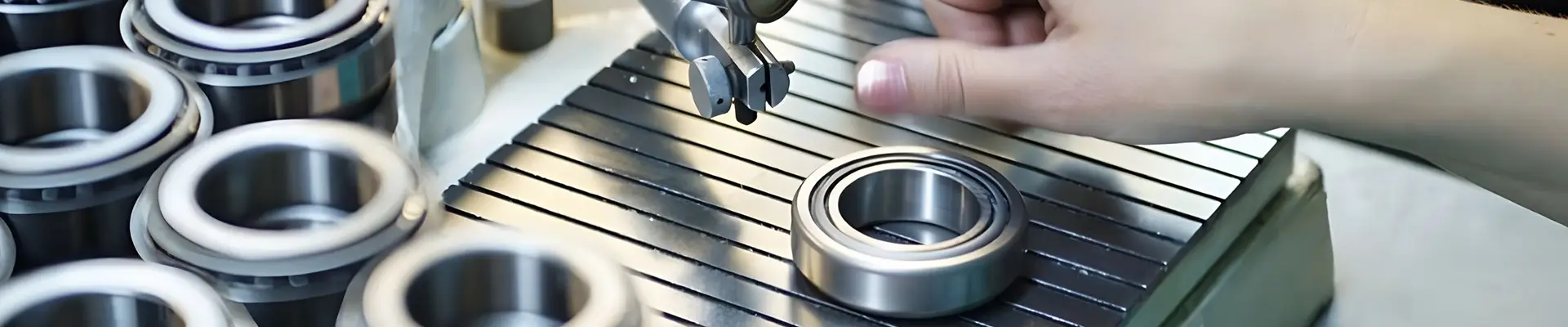
Understanding Deep Groove Ball Bearings: Essential Insights for Industrial Applications
Deep groove ball bearings are among the most commonly used types of rolling bearings due to their versatile design and reliable performance. They consist of an inner and outer ring, a cage, and balls that facilitate smooth rotation. The primary function of these bearings is to support radial and axial loads, making them essential in a wide range of industrial applications, from electric motors to automotive components.
One of the key advantages of deep groove ball bearings is their ability to handle both radial and axial forces simultaneously. This makes them suitable for various environments, where they encounter different load conditions. The design of deep groove ball bearings allows for minimal friction and wear, ensuring longevity and consistent performance under challenging operating conditions.
When selecting deep groove ball bearings, it is crucial to consider factors such as load capacity, speed ratings, and material types. The load capacity of a bearing can directly impact the overall efficiency and reliability of the equipment it is used in. It's also important to pay attention to the bearing's speed rating, as exceeding this limit can lead to overheating and premature failure.
The materials used in the construction of deep groove ball bearings can also influence their performance. Common materials include steel, stainless steel, and ceramic. Each material offers unique properties that cater to different environments. For instance, stainless steel bearings are often used in corrosive environments due to their resistance to rust and corrosion, while ceramic bearings are preferred in high-speed applications due to their lightweight and low friction characteristics.
Maintenance is another crucial aspect when working with deep groove ball bearings. Regular lubrication is essential to reduce friction and wear, which can extend the lifespan of the bearing. Additionally, routine inspections can help detect any signs of damage or wear before they lead to significant failures.
In summary, deep groove ball bearings play a vital role in ensuring the smooth operation of various industrial applications. Understanding their design and operational features can help you make informed decisions when selecting the right bearings for your equipment. By taking into account factors like load capacity, material types, and maintenance practices, you can optimize the performance and longevity of your machinery, ultimately enhancing productivity in your operations.
One of the key advantages of deep groove ball bearings is their ability to handle both radial and axial forces simultaneously. This makes them suitable for various environments, where they encounter different load conditions. The design of deep groove ball bearings allows for minimal friction and wear, ensuring longevity and consistent performance under challenging operating conditions.
When selecting deep groove ball bearings, it is crucial to consider factors such as load capacity, speed ratings, and material types. The load capacity of a bearing can directly impact the overall efficiency and reliability of the equipment it is used in. It's also important to pay attention to the bearing's speed rating, as exceeding this limit can lead to overheating and premature failure.
The materials used in the construction of deep groove ball bearings can also influence their performance. Common materials include steel, stainless steel, and ceramic. Each material offers unique properties that cater to different environments. For instance, stainless steel bearings are often used in corrosive environments due to their resistance to rust and corrosion, while ceramic bearings are preferred in high-speed applications due to their lightweight and low friction characteristics.
Maintenance is another crucial aspect when working with deep groove ball bearings. Regular lubrication is essential to reduce friction and wear, which can extend the lifespan of the bearing. Additionally, routine inspections can help detect any signs of damage or wear before they lead to significant failures.
In summary, deep groove ball bearings play a vital role in ensuring the smooth operation of various industrial applications. Understanding their design and operational features can help you make informed decisions when selecting the right bearings for your equipment. By taking into account factors like load capacity, material types, and maintenance practices, you can optimize the performance and longevity of your machinery, ultimately enhancing productivity in your operations.
Related News
