Welcome to Linqing Hairui Bearing Manufacturing Co., Ltd.


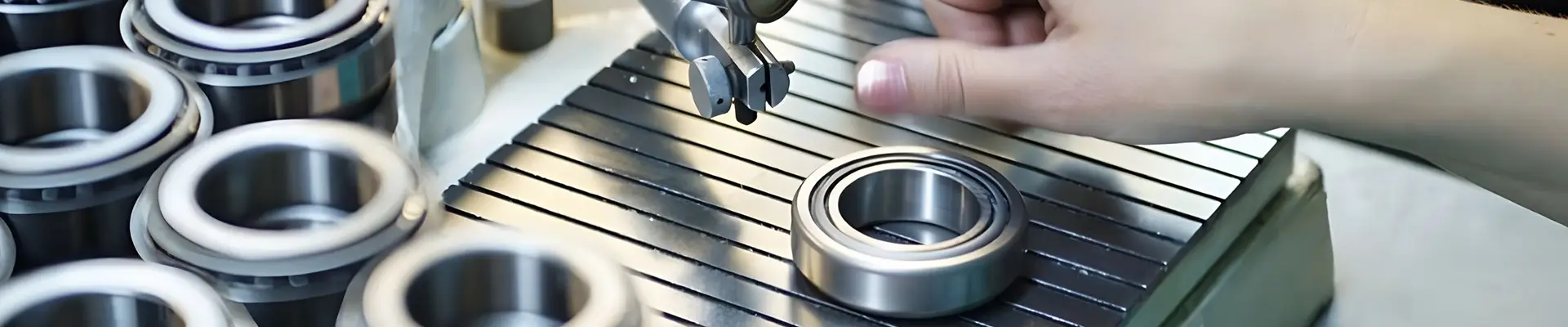
How Self Aligning Ball Bearings Enhance Equipment Performance
Introduction to Self Aligning Ball Bearings
Self-aligning ball bearings are pivotal components in various industrial applications, ensuring optimal performance and longevity of machinery. These bearings are designed to accommodate misalignments, which often occur in rotating machinery due to structural changes, thermal expansion, or imperfect installation. Understanding how self-aligning ball bearings work and their unique features can significantly enhance your equipment's performance.
Understanding the Mechanics of Self Aligning Ball Bearings
Self-aligning ball bearings consist of an outer ring with a sphered raceway and an inner ring that holds the balls. This design allows for a certain degree of misalignment between the shaft and housing, enabling the bearing to automatically adjust its position and maintain smooth rotation.
Components of Self Aligning Ball Bearings
1. **Inner Ring**: Contains the raceway for the balls, which facilitates smooth rotation.
2. **Outer Ring**: Features a sphered raceway that allows for angular misalignment.
3. **Balls**: These elements roll between both rings, reducing friction and wear.
4. **Cage**: Holds the balls in place and prevents them from colliding with each other.
How Do Self Aligning Ball Bearings Work?
The design of self-aligning ball bearings allows them to adjust to angular misalignments up to a certain degree. When the inner ring rotates, the balls circulate within the raceways, maintaining contact with both the inner and outer rings. This flexibility reduces the stress on the bearings and the entire machinery, enhancing durability.
The Benefits of Using Self Aligning Ball Bearings
Investing in self-aligning ball bearings can lead to numerous advantages, particularly in industrial settings. Below are some key benefits that contribute to improved equipment performance.
1. Enhanced Load Distribution
Self-aligning ball bearings are designed to bear radial and axial loads effectively. Their unique construction allows for better load distribution, which minimizes localized stress. This capability not only increases the lifespan of the bearings but also ensures stable operation under heavy loads.
2. Reduced Maintenance Costs
With their ability to self-align, these bearings significantly reduce the likelihood of premature wear and failure. As a result, maintenance needs are less frequent, leading to lower operational costs. Regular maintenance schedules can be extended, allowing for uninterrupted production.
3. Improved Efficiency
Self-aligning ball bearings minimize friction due to their design, which translates to smoother operation. Reduced friction leads to lower energy consumption, enhancing the overall efficiency of the machinery. This energy-saving effect can contribute to substantial cost savings over time.
4. Versatility in Applications
These bearings are suitable for a variety of applications, including textile machinery, food processing equipment, and agricultural machinery. Their adaptability makes them a preferred choice for industries requiring reliable and efficient performance.
Applications of Self Aligning Ball Bearings in Various Industries
Self-aligning ball bearings find utility across numerous sectors, each benefiting from their unique design features. Here are several prominent applications:
Agriculture
In agricultural machinery, self-aligning ball bearings play a vital role in ensuring smooth operation under harsh conditions. They are commonly used in equipment such as tractors, harvesters, and plows, where misalignment can occur frequently.
Textile Industry
Textile machines operate at high speeds and require reliable bearings to maintain performance. Self-aligning ball bearings ensure that textile machinery runs smoothly, reducing downtime and improving productivity.
Food Processing
In the food processing industry, hygiene and reliability are paramount. Self-aligning ball bearings provide the necessary durability and efficiency, making them ideal for conveyor systems and other processing equipment.
Automotive
Automotive applications benefit from self-aligning ball bearings in components such as engines and wheel hubs. Their ability to handle misalignment enhances performance and extends the lifespan of critical automotive systems.
Factors to Consider When Choosing Self Aligning Ball Bearings
Selecting the right self-aligning ball bearings for your application involves understanding several critical factors that can impact performance.
1. Load Capacity
Assessing the load capacity is essential to ensure that the bearings can handle the expected loads without undergoing excessive wear or failure. Consider both radial and axial loads when making your selection.
2. Speed Rating
Not all self-aligning ball bearings are created equal when it comes to speed. Be sure to choose bearings that match the speed requirements of your machinery to avoid overheating and premature wear.
3. Environmental Conditions
Consider the operating environment of the bearings. Factors such as temperature, humidity, and exposure to contaminants can influence the choice of materials and sealing options.
4. Lubrication
Proper lubrication is crucial for optimal performance. Determine the best lubrication method for your application, whether it be grease or oil, to ensure the bearings operate efficiently and have a long service life.
Installation Best Practices for Self Aligning Ball Bearings
To maximize the benefits of self-aligning ball bearings, proper installation is critical. Below are essential best practices to follow during installation:
1. Surface Preparation
Ensure that both the shaft and housing surfaces are clean and free of debris. Any contaminants can lead to improper seating of the bearings and affect performance.
2. Proper Alignment
Although self-aligning bearings are designed to accommodate misalignment, it's still essential to install them as accurately as possible. This practice minimizes unnecessary stress and enhances performance.
3. Use of Proper Tools
Utilize appropriate tools to install the bearings. Avoid using excessive force, which can damage the bearings. Instead, apply even pressure to ensure a snug fit.
4. Lubrication Before Installation
Before placing the bearings into the housing, ensure they are adequately lubricated. This step can drastically improve initial performance and reduce wear during operation.
Maintenance Tips for Self Aligning Ball Bearings
While self-aligning ball bearings are low maintenance, incorporating a few practices can enhance their performance and longevity.
1. Regular Inspections
Conduct routine inspections to check for signs of wear or damage. Early detection of issues can prevent costly downtime.
2. Monitor Lubrication Levels
Ensure that bearings are always adequately lubricated. Insufficient lubrication can lead to overheating and premature failure.
3. Keep the Operating Environment Clean
Minimize contaminants that can enter the bearing assembly. Dust, debris, and moisture can significantly impact performance.
4. Replace Worn Bearings Promptly
If you notice any signs of wear, replace the bearings immediately to avoid further damage to the equipment.
FAQs About Self Aligning Ball Bearings
1. What is the primary advantage of self-aligning ball bearings?
Self-aligning ball bearings can accommodate misalignment, which enhances their performance and extends their lifespan compared to standard bearings.
2. How long do self-aligning ball bearings typically last?
The lifespan of self-aligning ball bearings can vary based on application and maintenance, but with proper care, they can last several years.
3. Can self-aligning ball bearings be used in high-speed applications?
Yes, but it’s essential to select bearings that are specifically rated for high-speed operations to prevent overheating.
4. What are the common materials used in manufacturing self-aligning ball bearings?
Common materials include chrome steel, stainless steel, and ceramic, each chosen based on the application and environmental conditions.
5. How can I determine the right size of self-aligning ball bearings for my equipment?
Refer to the manufacturer’s specifications and consult with bearing suppliers to choose the appropriate size based on your equipment's requirements.
Conclusion
Self-aligning ball bearings are integral components that can significantly enhance the performance of industrial equipment. Their unique design allows them to accommodate misalignment, thus improving load distribution, reducing maintenance costs, and increasing efficiency. By understanding their mechanics, applications, and maintenance practices, we can ensure these bearings contribute positively to operational excellence across various industries. Investing in high-quality self-aligning ball bearings not only optimizes equipment performance but also promotes long-term reliability and cost savings.
