Welcome to Linqing Hairui Bearing Manufacturing Co., Ltd.


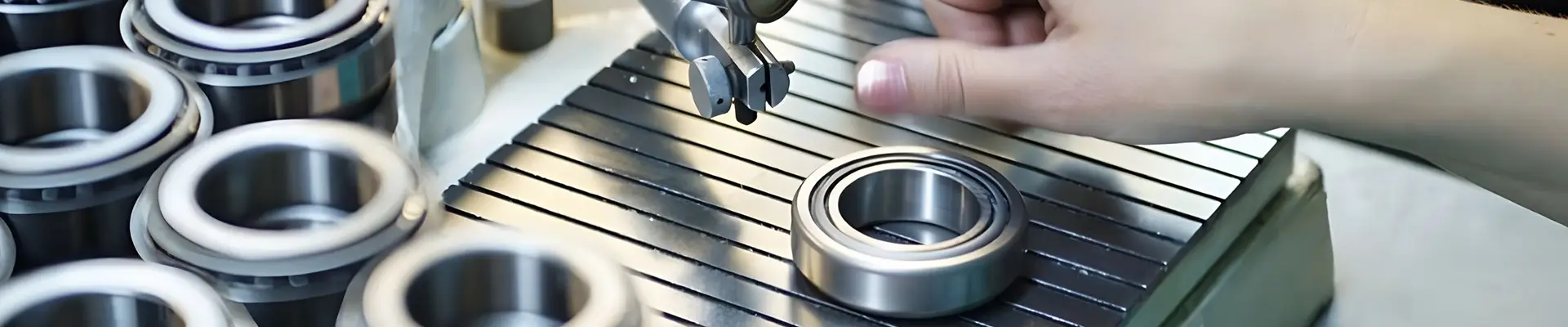
Understanding Tapered Roller Bearings: Essential Components in Industrial Applications
Tapered roller bearings are a crucial component in many industrial applications, designed to accommodate both radial and axial loads. Unlike traditional bearings, tapered roller bearings feature conical rollers that allow for a higher load capacity and improved performance under varying conditions. This unique design enables them to handle heavy loads while maintaining efficient operation, making them an ideal choice for a wide range of machinery.
One of the primary advantages of tapered roller bearings is their ability to support combined loads. As they can handle both radial and axial forces, they are often used in applications where these forces are present simultaneously. This makes them highly versatile and suitable for use in automotive, aerospace, and industrial machinery. For instance, in automotive applications, tapered roller bearings are commonly found in wheel hubs and transmissions, where they provide stability and enhance performance.
Another significant benefit of tapered roller bearings is their low friction characteristics. The tapered shape of the rollers minimizes contact with the raceway, reducing wear and heat generation. This not only prolongs the life of the bearings but also increases the overall efficiency of the machinery in which they are installed. Consequently, companies can experience lower operational costs and reduced maintenance needs, leading to increased profitability.
In addition to their performance advantages, tapered roller bearings are available in various designs, including single-row, double-row, and four-row configurations. This variety allows engineers to select the most appropriate bearing type for their specific application requirements. Choosing the right type ensures optimal load distribution, improved alignment, and enhanced bearing life.
It’s also essential to consider the proper lubrication of tapered roller bearings. Adequate lubrication minimizes friction and prevents premature wear, significantly impacting the longevity and performance of the bearings. Regular maintenance checks and the use of high-quality lubricants are vital practices to ensure that these bearings function efficiently over time.
Moreover, the installation process for tapered roller bearings requires precision. Proper alignment and adjustment are critical to achieving the desired performance and load capacity. Misalignment can result in uneven wear and increased heat, ultimately leading to bearing failure. Therefore, following manufacturer guidelines and employing skilled technicians for installation is essential.
In conclusion, tapered roller bearings play a vital role in industrial equipment and machinery by providing excellent load-carrying capacity, reducing friction, and enhancing overall efficiency. Their unique design and adaptability make them a preferred choice in various sectors, underscoring their importance in maintaining the reliability and longevity of industrial operations. Understanding their features and maintenance needs can significantly benefit users, ensuring optimal performance in demanding environments.
One of the primary advantages of tapered roller bearings is their ability to support combined loads. As they can handle both radial and axial forces, they are often used in applications where these forces are present simultaneously. This makes them highly versatile and suitable for use in automotive, aerospace, and industrial machinery. For instance, in automotive applications, tapered roller bearings are commonly found in wheel hubs and transmissions, where they provide stability and enhance performance.
Another significant benefit of tapered roller bearings is their low friction characteristics. The tapered shape of the rollers minimizes contact with the raceway, reducing wear and heat generation. This not only prolongs the life of the bearings but also increases the overall efficiency of the machinery in which they are installed. Consequently, companies can experience lower operational costs and reduced maintenance needs, leading to increased profitability.
In addition to their performance advantages, tapered roller bearings are available in various designs, including single-row, double-row, and four-row configurations. This variety allows engineers to select the most appropriate bearing type for their specific application requirements. Choosing the right type ensures optimal load distribution, improved alignment, and enhanced bearing life.
It’s also essential to consider the proper lubrication of tapered roller bearings. Adequate lubrication minimizes friction and prevents premature wear, significantly impacting the longevity and performance of the bearings. Regular maintenance checks and the use of high-quality lubricants are vital practices to ensure that these bearings function efficiently over time.
Moreover, the installation process for tapered roller bearings requires precision. Proper alignment and adjustment are critical to achieving the desired performance and load capacity. Misalignment can result in uneven wear and increased heat, ultimately leading to bearing failure. Therefore, following manufacturer guidelines and employing skilled technicians for installation is essential.
In conclusion, tapered roller bearings play a vital role in industrial equipment and machinery by providing excellent load-carrying capacity, reducing friction, and enhancing overall efficiency. Their unique design and adaptability make them a preferred choice in various sectors, underscoring their importance in maintaining the reliability and longevity of industrial operations. Understanding their features and maintenance needs can significantly benefit users, ensuring optimal performance in demanding environments.
