Welcome to Linqing Hairui Bearing Manufacturing Co., Ltd.


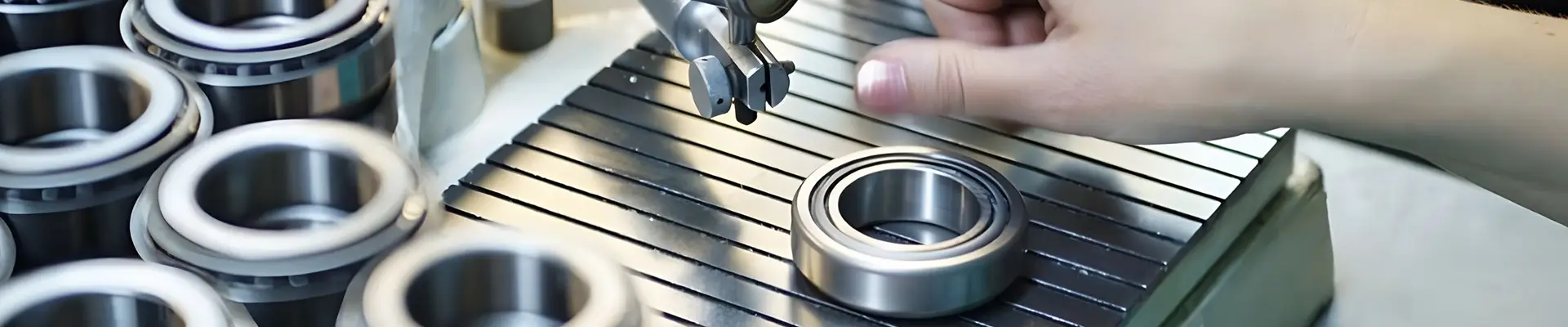
The Crucial Function of Single Row Cylindrical Roller Bearings in Minimizing Friction and Wear
The Crucial Function of Single Row Cylindrical Roller Bearings in Minimizing Friction and Wear
Table of Contents
- Introduction to Single Row Cylindrical Roller Bearings
- Understanding Friction and Wear in Industrial Equipment
- What Are Single Row Cylindrical Roller Bearings?
- Benefits of Single Row Cylindrical Roller Bearings
- Applications of Single Row Cylindrical Roller Bearings in Industrial Equipment
- Engineering Principles Behind Their Performance
- Maintenance Practices for Enhancing Bearing Lifespan
- Frequently Asked Questions (FAQs)
- Conclusion
Introduction to Single Row Cylindrical Roller Bearings
Single row cylindrical roller bearings play a pivotal role in the machinery sector, acting as crucial components that facilitate smooth rotational motion. Their unique design and functionality reduce friction and wear, contributing significantly to the efficiency and longevity of various applications. As industry demands increase, understanding the intricate workings of these bearings becomes essential for improving machinery performance and reliability.
Understanding Friction and Wear in Industrial Equipment
Friction is an inevitable force that opposes motion between two surfaces in contact. In industrial machinery, excessive friction can lead to significant wear and tear, ultimately causing equipment failure. The primary causes of friction include surface roughness, load, and speed. In turn, wear is the progressive loss of material from the surface of a component due to mechanical action. Together, these factors can result in decreased performance, increased maintenance costs, and production downtime.
What Are Single Row Cylindrical Roller Bearings?
Single row cylindrical roller bearings consist of cylindrical rollers aligned parallel to the bearing shaft. This design allows for a larger contact area between the rollers and the raceway, significantly enhancing load capacity. Unlike ball bearings, cylindrical roller bearings can accommodate higher radial loads, making them ideal for heavy-duty applications.
**Key Features of Single Row Cylindrical Roller Bearings:**
- High radial load capacity
- Low frictional resistance
- Reduced wear due to optimal roller alignment
- Effective performance in high-speed applications
Benefits of Single Row Cylindrical Roller Bearings
The advantages of using single row cylindrical roller bearings in industrial applications are numerous and impactful.
1. Enhanced Load Capacity
These bearings are designed to support substantial radial loads, making them suitable for heavy machinery and equipment. Their robust construction ensures they can bear significant forces without compromising performance.
2. Reduced Friction
The contact area between cylindrical rollers and raceways is larger than that of ball bearings, leading to lower friction levels. This reduction in friction decreases energy consumption and heat generation, contributing to overall efficiency.
3. Minimization of Wear
The unique design of single row cylindrical roller bearings helps in distributing loads evenly across the rolling elements. This uniform load distribution minimizes localized wear, extending the service life of both the bearings and the machinery they support.
4. Improved Speed Capabilities
These bearings can operate efficiently at higher speeds compared to their counterparts. Their low friction characteristics allow for smoother operation, which is crucial in high-speed applications.
5. Easy Installation and Maintenance
Single row cylindrical roller bearings are relatively straightforward to install and maintain. Their design facilitates easy handling, and routine maintenance can significantly prolong their lifespan.
Applications of Single Row Cylindrical Roller Bearings in Industrial Equipment
Single row cylindrical roller bearings find applications across a wide range of industries due to their versatility and reliability.
1. Manufacturing Machinery
In manufacturing, these bearings are commonly used in conveyor systems, presses, and machining tools, where their ability to handle high loads is crucial.
2. Automotive Industry
From drivetrain components to wheel hubs, single row cylindrical roller bearings are integral to various automotive applications, ensuring smooth motion and durability.
3. Heavy Equipment
Construction and mining machinery utilize these bearings due to their robustness, which is essential for equipment that operates under harsh conditions.
4. Power Generation
In wind turbines and generators, these bearings support rotating shafts, ensuring efficient energy production while minimizing maintenance needs.
5. Robotics and Automation
As industries move towards automation, single row cylindrical roller bearings are employed in robotic arms and automated machinery, enhancing precision and reliability.
Engineering Principles Behind Their Performance
The effectiveness of single row cylindrical roller bearings is rooted in several engineering principles that govern their design and functionality.
1. Rolling Element Design
The cylindrical shape of the rollers allows for optimal contact with the raceway, reducing stress concentrations and enhancing load distribution across the bearing.
2. Raceway Geometry
The precision engineering of raceways ensures minimal friction and wear, contributing to the longevity of the bearing. The correct curvature and finish of raceways play a vital role in performance.
3. Material Selection
High-quality materials such as chrome steel or stainless steel are commonly used in manufacturing these bearings. The choice of material affects hardness, corrosion resistance, and overall performance.
4. Lubrication Techniques
Proper lubrication is fundamental to reducing friction and wear. Various lubrication methods, including grease and oil, can be used to ensure smooth operation and longevity.
Maintenance Practices for Enhancing Bearing Lifespan
Maintaining single row cylindrical roller bearings is critical to ensuring optimal performance and extending their lifespan.
1. Regular Inspections
Routine checks for wear, damage, and lubrication levels can prevent unexpected failures and prolong bearing life.
2. Proper Lubrication
Ensuring that bearings are adequately lubricated reduces friction and wear. It is vital to use the right type of lubricant and to apply it at the recommended intervals.
3. Monitoring Operating Conditions
Keeping an eye on temperature, speed, and load conditions can help identify potential issues before they escalate into significant problems.
4. Environmental Considerations
Protecting bearings from contaminants such as dust, moisture, and chemicals is crucial for preserving their integrity and performance.
Frequently Asked Questions (FAQs)
1. What is the primary function of single row cylindrical roller bearings?
The primary function is to reduce friction and wear while supporting radial loads in various industrial applications.
2. How do these bearings compare to ball bearings?
Single row cylindrical roller bearings can handle higher radial loads and reduce friction more effectively compared to ball bearings.
3. What maintenance practices should be implemented for these bearings?
Regular inspections, proper lubrication, monitoring of operating conditions, and protection from environmental contaminants are essential maintenance practices.
4. In what industries are single row cylindrical roller bearings commonly used?
They are used in manufacturing, automotive, heavy equipment, power generation, and robotics, among other industries.
5. How can I ensure the longevity of my cylindrical roller bearings?
By adhering to maintenance practices, using quality materials, and operating within recommended conditions, you can significantly enhance the lifespan of cylindrical roller bearings.
Conclusion
Single row cylindrical roller bearings serve a crucial role in minimizing friction and wear across various industrial applications. Their robust design, combined with the benefits of reduced energy consumption, extended equipment lifespan, and versatility, makes them an invaluable component in modern machinery. By understanding the underlying engineering principles and adhering to proper maintenance practices, industries can maximize the performance and reliability of their equipment, ensuring sustained operational efficiency. As technology continues to evolve, the importance of these bearings will only grow, reinforcing their position as a cornerstone of industrial machinery.
