Welcome to Linqing Hairui Bearing Manufacturing Co., Ltd.


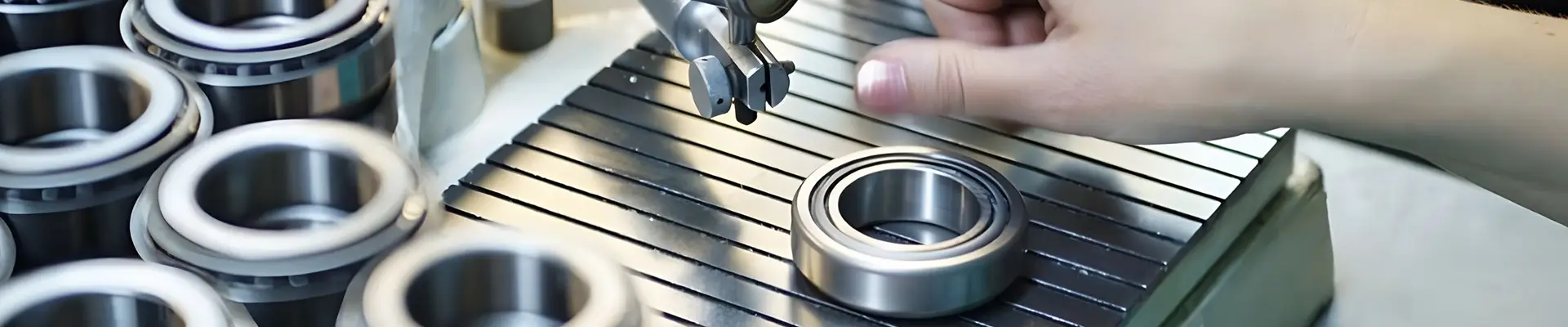
Innovations in Self Aligning Ball Bearings: The Future of Bearing Technology
Innovations in Self Aligning Ball Bearings: The Future of Bearing Technology
Table of Contents
- 1. Introduction to Self Aligning Ball Bearings
- 2. Historical Development of Self Aligning Ball Bearings
- 3. Importance of Innovations in Bearing Technology
- 4. New Materials and Their Impact on Performance
- 5. Design Innovations in Self Aligning Ball Bearings
- 6. Smart Bearing Technology: The Future is Here
- 7. Applications of Self Aligning Ball Bearings in Various Industries
- 8. Challenges Facing the Bearing Industry
- 9. Conclusion
- 10. Frequently Asked Questions
1. Introduction to Self Aligning Ball Bearings
Self-aligning ball bearings are a specialized type of rolling-element bearing designed to accommodate misalignment between the shaft and housing. These bearings consist of two rows of balls and a common sphered raceway in the outer ring, allowing them to self-align. This unique design helps in minimizing friction and wear, significantly extending the service life of machinery. As industries evolve, so do the demands placed on these components, leading to groundbreaking innovations aimed at enhancing their performance and reliability.
2. Historical Development of Self Aligning Ball Bearings
The inception of self-aligning ball bearings dates back to the early 20th century. The first patent for this innovative design was filed in 1907 by the renowned engineer, Sven Wingquist. His introduction of the self-aligning feature was revolutionary, enabling bearings to function effectively even under conditions of misalignment. Over the decades, advancements in materials, manufacturing processes, and design technologies have significantly improved the reliability and performance of these bearings, leading to widespread adoption across various industries.
3. Importance of Innovations in Bearing Technology
The significance of innovations in self-aligning ball bearing technology cannot be overstated. With the continuous evolution of machinery and equipment, the need for components that can withstand higher loads, operate in extreme conditions, and offer increased durability is paramount. Innovations in this field not only enhance operational efficiency but also reduce maintenance costs and downtime, which are critical factors for businesses aiming to maintain competitiveness in today’s fast-paced market.
4. New Materials and Their Impact on Performance
Recent advancements in material science have opened up new possibilities for self-aligning ball bearings. Traditional steel materials are now being supplemented or replaced with synthetic materials like polyamide, ceramic, and advanced composites. These new materials offer several advantages:
4.1 Improved Corrosion Resistance
Corrosion is a major concern in industrial environments. The use of advanced materials enhances resistance to corrosive substances, thereby increasing the lifespan of bearings.
4.2 Weight Reduction
Lightweight materials contribute to overall equipment efficiency by reducing weight, which is particularly beneficial in applications requiring high-speed rotations.
4.3 Enhanced Load Capacity
Innovative materials can withstand greater loads, enabling machinery to operate more effectively under demanding conditions.
5. Design Innovations in Self Aligning Ball Bearings
The design of self-aligning ball bearings has also undergone remarkable changes. Key innovations include:
5.1 Advanced Geometry
Modern self-aligning ball bearings feature optimized geometric designs that allow for better load distribution and reduced stress concentrations. This results in lower friction and improved wear characteristics.
5.2 Enhanced Sealing Technologies
Innovative sealing solutions protect bearings from contaminants, significantly enhancing their operating life. Advanced seals are designed to withstand extreme temperatures and pressures while maintaining low friction.
5.3 Modular Designs
The shift towards modular bearing designs allows for easier maintenance and customization, facilitating quicker replacements and repairs while minimizing downtime.
6. Smart Bearing Technology: The Future is Here
The advent of smart technology is transforming the landscape of self-aligning ball bearings. Incorporating sensors and IoT capabilities allows for real-time monitoring of bearing conditions, including temperature, vibration, and load. This data enables predictive maintenance, where potential failures can be detected before they occur, reducing unplanned downtime and maintenance costs.
6.1 Predictive Maintenance and Analytics
Predictive analytics driven by sensor data can forecast when a bearing is likely to fail, allowing for timely interventions. This proactive approach enhances operational efficiency and reliability.
6.2 Integration with Industry 4.0
The integration of smart bearings into the broader framework of Industry 4.0 is crucial for optimizing manufacturing processes. These intelligent systems contribute to greater automation and efficiency, aligning with modern manufacturing practices.
7. Applications of Self Aligning Ball Bearings in Various Industries
Self-aligning ball bearings find extensive applications across multiple industries due to their versatility and reliability. Key sectors include:
7.1 Automotive Industry
In the automotive sector, self-aligning ball bearings are used in various components, from engines to wheel hubs, ensuring smooth operation and durability.
7.2 Aerospace Engineering
The aerospace industry relies on high-performance bearings that can withstand extreme environments. Innovations in self-aligning ball bearings contribute to the safety and efficiency of aircraft.
7.3 Manufacturing and Machinery
Numerous manufacturing processes utilize self-aligning ball bearings to enhance machinery performance, reduce downtime, and lower maintenance costs.
7.4 Renewable Energy
In wind turbines, self-aligning ball bearings play a vital role in ensuring smooth rotation and optimal energy generation, contributing to the sustainability of renewable energy sources.
8. Challenges Facing the Bearing Industry
Despite the advancements, the bearing industry faces several challenges:
8.1 Increasing Competition
With the rise of new players in the market, established manufacturers must continuously innovate to maintain their competitive edge.
8.2 Sustainability Concerns
There is a growing emphasis on sustainability, pushing manufacturers to develop environmentally friendly products and production processes.
8.3 Market Volatility
Fluctuations in raw material prices and global economic conditions can impact the bearing industry, necessitating adaptive strategies.
9. Conclusion
The future of self-aligning ball bearings is promising, driven by continuous innovations in materials, design, and technology. As industries evolve and demand for high-performance components increases, these advancements will play a crucial role in enhancing reliability, efficiency, and sustainability. Embracing these innovations will not only benefit manufacturers but also contribute to the broader goals of industry and environmental responsibility.
10. Frequently Asked Questions
10.1 What are self-aligning ball bearings?
Self-aligning ball bearings are designed to accommodate misalignment between the shaft and housing, featuring two rows of balls and a common sphered raceway in the outer ring.
10.2 What are the advantages of using self-aligning ball bearings?
They offer improved alignment, reduced friction, enhanced durability, and extended service life, making them ideal for various industrial applications.
10.3 How do new materials improve the performance of self-aligning ball bearings?
New materials enhance corrosion resistance, reduce weight, and increase load capacity, contributing to better overall performance.
10.4 What role do smart technologies play in self-aligning ball bearings?
Smart technologies enable real-time monitoring of bearing conditions, allowing for predictive maintenance and improved operational efficiency.
10.5 In which industries are self-aligning ball bearings commonly used?
They are widely used in the automotive, aerospace, manufacturing, and renewable energy sectors, among others.
In summary, the innovations in self-aligning ball bearings not only enhance performance and reliability but also pave the way for the future of bearing technology, shaping the industrial landscape for years to come.
