Welcome to Linqing Hairui Bearing Manufacturing Co., Ltd.


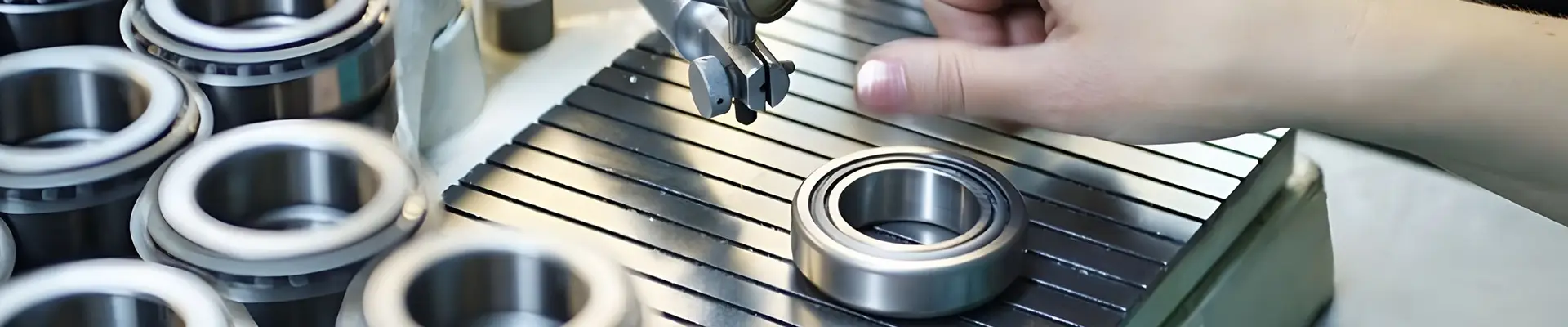
Understanding Deep Groove Ball Bearings: Essential Insights for Industrial Applications
Deep groove ball bearings are one of the most common types of rolling bearings used in a wide range of industrial equipment. Their design features a simple structure with an outer ring, inner ring, and a set of balls between them. This construction allows them to handle both radial and axial loads, making them incredibly versatile for various applications.
One of the key characteristics of deep groove ball bearings is their ability to operate at high speeds. This is largely due to their low friction design, which minimizes energy loss and heat generation during operation. This feature not only enhances the efficiency of machinery but also extends the operational lifespan of the bearing, making it a cost-effective choice for industrial applications.
Another significant advantage of deep groove ball bearings is their ability to accommodate misalignment. In many industrial settings, components may not always be perfectly aligned, which can lead to increased wear and tear on bearings. However, the deep groove design allows these bearings to tolerate some degree of misalignment, thereby reducing the risk of premature failure.
Deep groove ball bearings are available in a variety of sizes and materials, allowing for customization based on specific operational requirements. For instance, they can be made from stainless steel, chrome steel, or ceramic materials, each offering distinct advantages in terms of corrosion resistance and load capacity. This flexibility enables them to be perfectly suited for applications ranging from electric motors to pumps and conveyors.
When selecting deep groove ball bearings for industrial use, it is crucial to consider several factors, including load ratings, speed capabilities, and environmental conditions. Proper installation and maintenance are also essential to ensure optimal performance. Regular inspections can help identify any signs of wear or damage, allowing for timely replacements and preventing costly downtime.
In summary, deep groove ball bearings play an integral role in industrial machinery, providing essential support for various applications. Their versatility, durability, and efficiency make them a preferred choice for professionals looking to enhance the performance of their equipment. By understanding their characteristics and how they function, industry professionals can make informed decisions that ultimately lead to improved operational efficiency and reduced maintenance costs.
