Welcome to Linqing Hairui Bearing Manufacturing Co., Ltd.


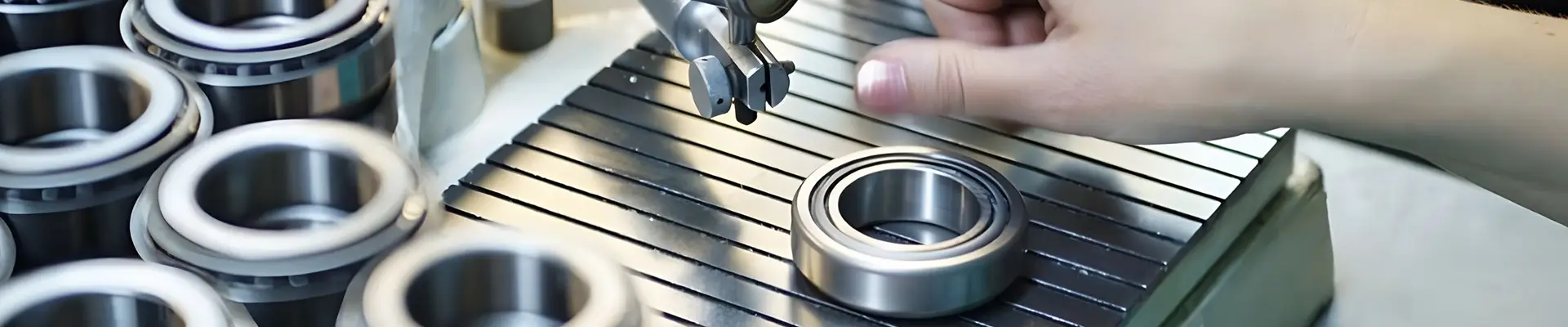
Troubleshooting Common Issues with Needle Roller Bearings: A Comprehensive Guide for Optimal Performance
Troubleshooting Common Issues with Needle Roller Bearings
Needle roller bearings play a crucial role in various industrial applications, providing superior load-carrying capacity in compact spaces. However, like any mechanical component, they may encounter issues that can affect performance and reliability. This comprehensive guide will walk you through the common troubleshooting steps, helping you identify and resolve problems effectively.
Table of Contents
- Introduction to Needle Roller Bearings
- Common Issues Faced with Needle Roller Bearings
- Identifying Symptoms of Bearing Failure
- Causes of Needle Roller Bearing Failures
- Troubleshooting Methods for Needle Roller Bearings
- Preventive Maintenance for Longevity
- When to Replace Needle Roller Bearings
- Conclusion
- FAQs about Needle Roller Bearings
Introduction to Needle Roller Bearings
Needle roller bearings are specially designed to handle radial loads in applications where space is limited. Their unique design features long, thin rollers, which allow them to achieve high load capacities while maintaining a minimal radial profile. This makes them ideal for use in automotive applications, industrial machinery, and various other mechanical systems.
Despite their advantages, needle roller bearings are not immune to issues that can compromise performance. Understanding potential problems and how to troubleshoot them can save time and money, ensuring the longevity and reliability of your equipment.
Common Issues Faced with Needle Roller Bearings
Several common issues can affect needle roller bearings, leading to decreased performance and potential failure. Recognizing these problems early allows for timely intervention. Here are some of the most frequently encountered issues:
1. Excessive Wear and Tear
Excessive wear in needle roller bearings often results from inadequate lubrication, contamination, or misalignment. Over time, this can lead to significant operational inefficiencies.
2. Noise and Vibration
Unusual noise and vibration are often indicators of problems within a bearing. These sounds can stem from improper installation, damage, or misalignment, necessitating immediate investigation.
3. Overheating
Overheating can be a result of insufficient lubrication or excessive load, which can cause the material to degrade and lead to premature failure. Monitoring operating temperatures is crucial to prevent this issue.
4. Grease Leakage
Grease leakage can occur due to seal failure or improper sealing methods, leading to contamination and potential bearing damage. Regular inspection of seals can help mitigate this issue.
5. Rust and Corrosion
Exposure to moisture or corrosive environments can result in rust and corrosion, weakening the structural integrity of needle roller bearings. Protective coatings or seals can help prevent this problem.
Identifying Symptoms of Bearing Failure
Early identification of symptoms is key to preventing severe bearing failures. Here are some common symptoms to watch for:
1. Listening for Sounds
Unusual grinding or rattling noises during operation may indicate that the needle roller bearings are failing. Listening closely can help detect these issues early.
2. Monitoring Temperature
Regularly check the operational temperature of your bearings. An increase in temperature can signal inadequate lubrication or excessive friction.
3. Visual Inspection
Performing regular visual inspections can help identify issues such as rust, corrosion, or grease leakage. Maintaining a clean environment around the bearings is essential.
Causes of Needle Roller Bearing Failures
To effectively troubleshoot common issues, it's crucial to understand the underlying causes. Here are some of the primary reasons needle roller bearings may fail:
1. Inadequate Lubrication
Failing to provide the right amount of lubrication can lead to increased friction and wear. Ensuring the proper lubricant type and quantity is essential for optimal performance.
2. Contamination
Particles such as dirt or metal shavings can contaminate the lubrication system, leading to increased wear rates. Implementing proper sealing methods can help prevent contamination.
3. Misalignment
Misalignment of the bearing and shaft can lead to uneven load distribution, increasing wear and the risk of failure. Ensuring proper alignment during installation is critical.
4. Overloading
Exceeding the load ratings of a needle roller bearing can cause structural damage and premature failure. Always ensure that the chosen bearing can handle the anticipated loads.
5. Environmental Factors
Harsh environments, including extreme temperatures and exposure to chemicals, can impact bearing performance. Using bearings designed for specific conditions can mitigate these risks.
Troubleshooting Methods for Needle Roller Bearings
Effectively troubleshooting needle roller bearing issues involves a systematic approach:
1. Conducting a Thorough Visual Inspection
Begin by visually inspecting the bearings for signs of wear, contamination, or damage. Look for abnormal wear patterns or any structural degradation.
2. Listen for Anomalies
While the machinery is operating, listen for any abnormal sounds. This can provide insight into potential issues such as misalignment or damage.
3. Check Lubrication Levels
Ensure that the bearings are adequately lubricated. If lubrication levels are low or the lubricant appears contaminated, take corrective action immediately.
4. Measure Operating Temperature
Monitor the operating temperature of the bearings. If temperatures exceed the recommended limits, investigate the cause and take appropriate measures to cool them down.
5. Perform Vibration Analysis
Utilize vibration analysis tools to detect irregularities in bearing performance. This can help identify issues such as imbalance or misalignment that may not be immediately visible.
Preventive Maintenance for Longevity
Implementing a preventive maintenance program can significantly extend the life of needle roller bearings:
1. Regular Lubrication
Establish a routine lubrication schedule based on the manufacturer’s recommendations. Regularly check for proper lubricant levels and replace old lubricant as needed.
2. Environmental Controls
Maintain a clean operating environment to reduce contamination risks. Implement protective measures to shield bearings from moisture and corrosive elements.
3. Monitoring Equipment
Utilize monitoring tools to track bearing performance metrics. This includes temperature, noise levels, and vibration patterns, allowing for early issue detection.
4. Training Personnel
Ensure that all personnel involved in the installation and maintenance of needle roller bearings are adequately trained. Educated staff are better equipped to spot potential issues.
5. Scheduled Inspections
Conduct regular inspections to identify any signs of wear or failure. Early detection of problems can lead to timely maintenance interventions.
When to Replace Needle Roller Bearings
Knowing when to replace needle roller bearings is essential for maintaining operational efficiency:
1. Signs of Severe Wear
If significant wear is observed during inspections, it may be time to replace the bearings to prevent further damage to associated components.
2. Persistent Noise and Vibration
If unusual noise and vibration persist despite troubleshooting efforts, replacement may be necessary to avoid potential catastrophic failure.
3. Temperature Issues
If bearings consistently operate at elevated temperatures despite proper lubrication and maintenance, consider replacing them to ensure system safety.
4. End of Lifecycle
All components have a defined lifespan. If bearings approach the end of their expected lifecycle, proactive replacement can prevent unexpected downtime.
Conclusion
Understanding how to troubleshoot common issues with needle roller bearings is essential for maintaining efficiency and reliability in industrial applications. By recognizing symptoms early and implementing effective troubleshooting methods, we can significantly extend the lifespan of these vital components. Regular maintenance practices, combined with a proactive approach to identifying potential problems, will ensure that needle roller bearings perform optimally, contributing to the overall success of your operations.
FAQs about Needle Roller Bearings
1. What are needle roller bearings used for?
Needle roller bearings are primarily used in applications where space is at a premium, providing high load capacity and efficiency in various mechanical systems.
2. How do I know if my needle roller bearing needs replacing?
Signs of wear, persistent noise, elevated temperatures, and visible damage during inspections are indicators that replacement may be necessary.
3. Can I lubricate needle roller bearings with any grease?
No, it's important to use the manufacturer-recommended grease type to ensure optimal performance and longevity.
4. How often should needle roller bearings be inspected?
Regular inspections should be conducted at least quarterly, or more frequently in high-demand applications, to catch any potential issues early.
5. What factors can lead to needle roller bearing failure?
Inadequate lubrication, contamination, misalignment, overloading, and environmental factors can all contribute to bearing failure. Proper maintenance can help mitigate these risks.
Related News
