Welcome to Linqing Hairui Bearing Manufacturing Co., Ltd.


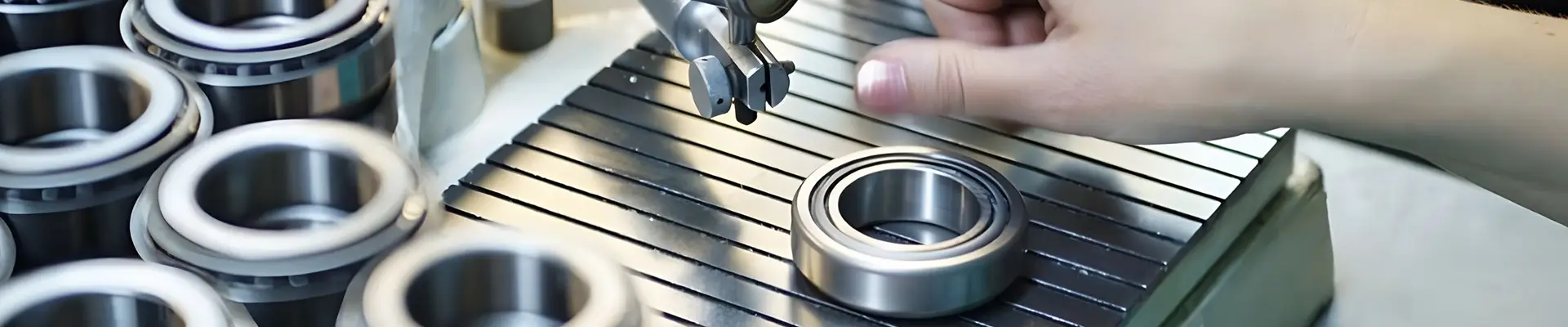
Key Considerations for Choosing Double-Row Deep Groove Ball Bearings for New Projects
Key Considerations for Choosing Double-Row Deep Groove Ball Bearings for New Projects
When embarking on a new project that involves machinery or rotating components, one of the critical decisions you'll face is selecting the right bearings. Double-row deep groove ball bearings are a popular choice for various applications due to their versatility and reliability. This article will delve into the key considerations you must keep in mind when choosing these bearings to ensure optimal performance and longevity in your projects.
Understanding Double-Row Deep Groove Ball Bearings
Before we explore the considerations for selecting double-row deep groove ball bearings, it’s essential to understand what they are and how they function. These bearings consist of two rows of balls separated by a retainer, which allows them to handle both radial and axial loads efficiently. Their design makes them suitable for high-speed applications and capable of accommodating misalignment between the shaft and housing.
Advantages of Double-Row Deep Groove Ball Bearings
Double-row deep groove ball bearings offer several advantages:
1. **Higher Load Capacities**: Their dual-row design allows them to support greater loads than single-row bearings.
2. **Compact Size**: They provide excellent performance in a smaller footprint, making them ideal for space-constrained applications.
3. **Versatility**: These bearings can be used in various environments and applications, from automotive to industrial machinery.
4. **Reduced Friction**: With less friction than other bearing types, they contribute to increased efficiency and lower energy consumption.
Key Factors to Consider When Selecting Double-Row Deep Groove Ball Bearings
Choosing the right double-row deep groove ball bearings requires careful consideration of several factors. Here, we'll outline the most crucial aspects to ensure your selection meets the demands of your project.
1. Load Capacity Requirements
One of the first factors to assess is the load capacity required for your application. Double-row deep groove ball bearings can handle both radial and axial loads, but it's essential to determine the maximum load they'll encounter.
- **Radial Load**: This is the load applied perpendicular to the shaft and is the primary factor in bearing selection. It’s critical to evaluate the operational conditions to ensure the bearings can withstand these loads without degradation.
- **Axial Load**: This load is applied parallel to the shaft and can significantly affect the bearing's performance. Ensure that the bearing's axial load capacity aligns with your project's demands.
2. Operating Conditions
The environment in which the bearings will operate plays a significant role in their selection. Consider the following conditions:
- **Temperature**: High temperatures can affect the lubricant and bearing materials, leading to premature failure. Choose bearings designed for high-temperature applications if necessary.
- **Contamination**: Dust, dirt, and moisture can severely affect bearing performance. Look for options with seals or shields to protect against contaminants, especially in industrial settings.
- **Speed**: The rotational speed of the application will influence the bearing's design. Ensure that the chosen bearing can handle the expected speeds without overheating.
3. Material Selection
The materials used in manufacturing double-row deep groove ball bearings are vital for their performance and durability. Common materials include:
- **Steel**: High-carbon chrome steel is typical due to its excellent hardness and wear resistance. It’s suitable for most general applications.
- **Stainless Steel**: For environments prone to corrosion, stainless steel bearings are recommended. They offer enhanced resistance to rust and degradation.
- **Ceramics**: Ceramic bearings are lightweight and can handle higher speeds, but they come at a premium price and are often used in specialized applications.
4. Lubrication Options
Proper lubrication is essential to reduce friction and wear within the bearings. There are several lubrication options to consider:
- **Grease**: Many double-row deep groove ball bearings come pre-lubricated with grease, which can last a long time but requires periodic reapplication.
- **Oil**: Oil lubrication provides superior cooling and can be easier to maintain in high-speed applications. However, it may require more complex systems.
- **Self-Lubricating Options**: Some bearings feature self-lubricating materials, reducing maintenance needs and enhancing reliability.
5. Sealing and Shielding
To protect bearings from contaminants, consider whether sealing or shielding is necessary. There are several options available:
- **Rubber Seals**: Provide excellent protection against dirt and moisture, ideal for heavy-duty applications.
- **Metal Shields**: Offer moderate protection and are suitable for high-speed applications where low friction is essential.
6. Tolerances and Fit
The fit between the bearing and housing is crucial for performance. Understanding tolerances will help ensure proper installation and operation. There are two main categories:
- **Interference Fit**: This fit is tight, ensuring that the bearing stays in place under load but may require heating or freezing for installation.
- **Clearance Fit**: This allows for easier installations but may not hold the bearing as securely, which could lead to misalignment.
7. Cost Considerations
While it may be tempting to choose the least expensive option, consider the long-term costs associated with bearing failure or inefficiencies. It's essential to strike a balance between quality and cost, ensuring that the bearings selected align with your budget while meeting performance requirements.
8. Manufacturer Reputation and Support
Selecting bearings from reputable manufacturers can ensure quality and reliability. It’s wise to evaluate the following:
- **Warranty**: A strong warranty can protect your investment and signal confidence in the product.
- **Customer Support**: Good customer service can assist with any questions or concerns that arise during installation or operation.
Conclusion
In summary, choosing the right double-row deep groove ball bearings for your new project requires a thorough understanding of various factors, including load capacity, operating conditions, material selection, lubrication methods, sealing, tolerances, cost, and the reputation of manufacturers. By carefully evaluating these considerations, you can ensure optimal performance and reliability of your bearings, ultimately leading to the success of your project. Investing time in this process may yield long-term benefits in efficiency and cost savings, making it a worthwhile endeavor.
FAQs
1. What are double-row deep groove ball bearings used for?
Double-row deep groove ball bearings are utilized in various applications, including automotive, industrial machinery, and electric motors, where they support both radial and axial loads.
2. How do I know the right load capacity for my application?
The right load capacity can be determined by assessing the maximum loads your application will encounter during operation. Consult engineering guidelines or bearing suppliers for specific load ratings.
3. What is the difference between sealed and shielded bearings?
Sealed bearings have rubber seals that provide better protection against contaminants, while shielded bearings use metallic shields that offer moderate protection with lower friction.
4. Can double-row deep groove ball bearings handle misalignment?
While they can accommodate a degree of misalignment, it’s best to ensure proper alignment during installation to maximize performance and lifespan.
5. How often should I lubricate my bearings?
Lubrication frequency depends on the type of lubrication, operating conditions, and manufacturer recommendations. Regular inspections will help determine the appropriate schedule for maintenance.
