Welcome to Linqing Hairui Bearing Manufacturing Co., Ltd.


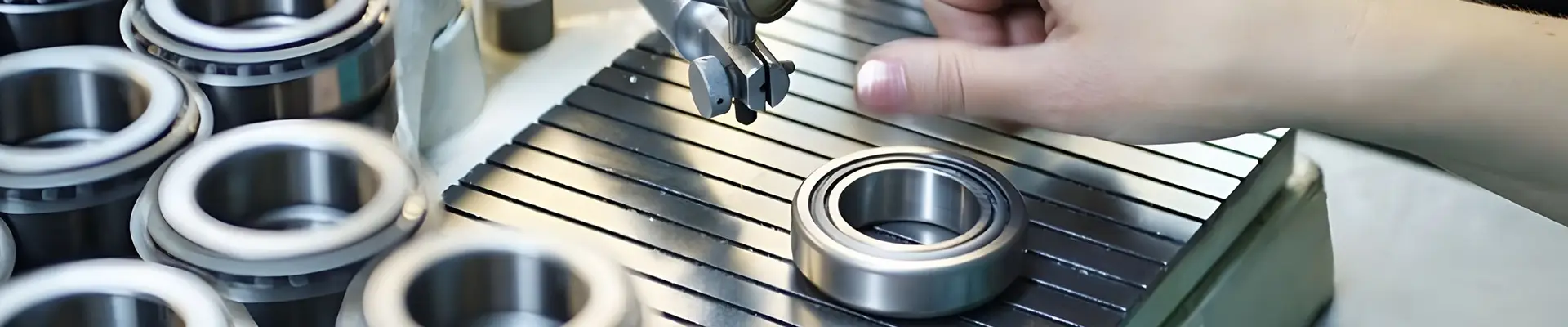
Understanding Tapered Roller Bearings: Design, Benefits, and Applications
Tapered roller bearings are designed to accommodate both radial and axial loads, making them a versatile choice for many industrial applications. The key feature of these bearings is their tapered design, which allows the rollers to make contact with the raceway at a specific angle. This unique configuration not only facilitates higher load capacities but also improves overall efficiency and performance.
One of the primary advantages of tapered roller bearings is their ability to handle heavy radial loads while also managing axial loads in one direction. This capability is invaluable in applications such as truck axles, conveyor systems, and machine tool spindles, where both types of forces can act simultaneously. The tapered roller geometry also helps reduce friction, which can lead to increased energy efficiency and reduced wear in the long run.
The materials used in the construction of tapered roller bearings are crucial to their performance. Typically, high-quality steel is employed to provide strength and durability. Furthermore, many manufacturers apply surface treatments to enhance resistance to wear and corrosion. These design choices contribute to the bearings' long service life and reliability, which are essential in demanding industrial environments.
Installation and maintenance play a significant role in the performance of tapered roller bearings. Proper alignment and adjustment during installation are critical to ensure that the bearings operate effectively. Misalignment can lead to increased wear and premature failure, negating the benefits of their robust design. Regular maintenance, including lubrication and inspections, is also essential to maximize their lifespan and efficiency.
Tapered roller bearings are commonly used in various industries, including automotive, aerospace, and manufacturing. In automotive applications, for instance, they are frequently found in wheel hubs and transmission systems, where reliable performance is crucial. In manufacturing, these bearings support high-speed machinery and conveyor systems, contributing to productivity and operational efficiency.
In conclusion, tapered roller bearings are a vital component in the industrial sector, offering unique advantages that enhance load handling, efficiency, and durability. Understanding their design features, benefits, and appropriate applications can help professionals make informed decisions when selecting the right bearings for their specific needs. By prioritizing proper installation and maintenance practices, users can ensure the longevity and reliability of these essential components in their operations.
Related News
