Welcome to Linqing Hairui Bearing Manufacturing Co., Ltd.


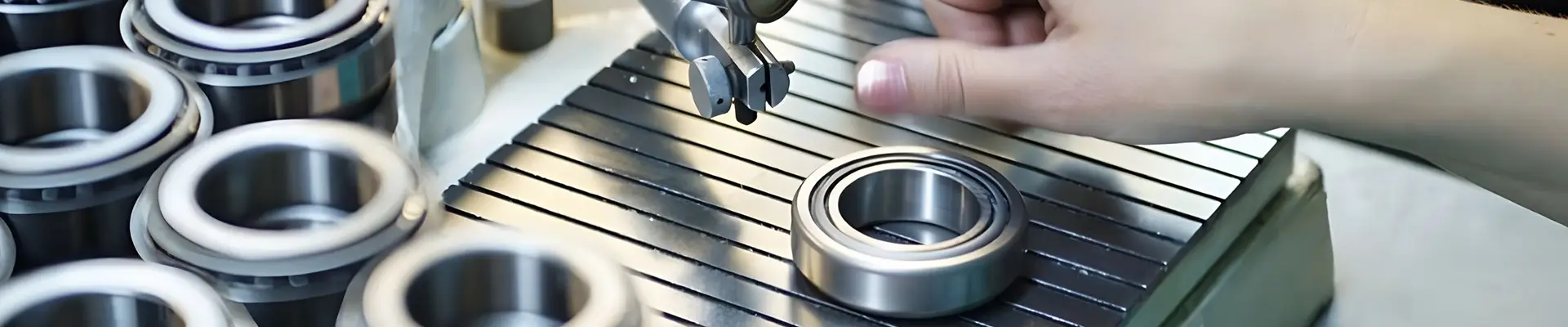
Understanding Thrust Bearings for Elevators: Essential Knowledge for Industrial Professionals
Thrust bearings play a crucial role in the operational efficiency and reliability of elevators. These specialized bearings are designed to handle axial loads that occur during the elevator's operation, ensuring smooth and stable movement. In elevator applications, thrust bearings primarily support the weight of the elevator car and counterbalance, making their selection and maintenance critical for overall performance.
One of the key features of thrust bearings for elevators is their ability to accommodate high axial loads while minimizing friction. This is particularly important in elevator systems, where excessive friction can lead to increased wear and tear, reducing the lifespan of the bearing and increasing maintenance costs. Thrust ball bearings, which consist of a set of balls positioned between two grooved races, are commonly used in these applications due to their ability to provide a low-friction solution suitable for high-speed operations.
When selecting thrust bearings for elevators, several factors must be considered. Firstly, the load rating is paramount; it must align with the specific requirements of the elevator system. It is critical to assess both the static and dynamic load ratings to ensure that the bearing can withstand operational stresses. Additionally, the operating environment, which may include factors such as temperature fluctuations, humidity, and potential exposure to contaminants, should also guide the selection process. Bearings designed with sealing features can provide added protection against environmental factors, enhancing durability.
Another important consideration is the lubrication of thrust bearings. Proper lubrication minimizes friction and heat generation, which can significantly prolong the life of the bearing. In elevator applications, lubricants should be chosen based on the operational speed and load conditions. Regular maintenance schedules should also be established to monitor lubrication levels and bearing integrity, ensuring optimal performance throughout the elevator's lifecycle.
The installation process of thrust bearings is equally important and should be performed with precision. Misalignment during installation can lead to premature failure, making it essential for technicians to follow best practices and manufacturer guidelines. Furthermore, regular inspections should be conducted to identify signs of wear or damage, allowing for timely interventions that can prevent larger issues from developing.
In conclusion, thrust bearings for elevators are integral components that contribute significantly to the safety and efficiency of these systems. With a focus on load capacity, environmental considerations, lubrication, and installation practices, industrial professionals can ensure that their elevator systems operate smoothly and reliably. Understanding these elements not only enhances operational efficiency but also extends the lifespan of the equipment, resulting in reduced downtime and maintenance costs.
One of the key features of thrust bearings for elevators is their ability to accommodate high axial loads while minimizing friction. This is particularly important in elevator systems, where excessive friction can lead to increased wear and tear, reducing the lifespan of the bearing and increasing maintenance costs. Thrust ball bearings, which consist of a set of balls positioned between two grooved races, are commonly used in these applications due to their ability to provide a low-friction solution suitable for high-speed operations.
When selecting thrust bearings for elevators, several factors must be considered. Firstly, the load rating is paramount; it must align with the specific requirements of the elevator system. It is critical to assess both the static and dynamic load ratings to ensure that the bearing can withstand operational stresses. Additionally, the operating environment, which may include factors such as temperature fluctuations, humidity, and potential exposure to contaminants, should also guide the selection process. Bearings designed with sealing features can provide added protection against environmental factors, enhancing durability.
Another important consideration is the lubrication of thrust bearings. Proper lubrication minimizes friction and heat generation, which can significantly prolong the life of the bearing. In elevator applications, lubricants should be chosen based on the operational speed and load conditions. Regular maintenance schedules should also be established to monitor lubrication levels and bearing integrity, ensuring optimal performance throughout the elevator's lifecycle.
The installation process of thrust bearings is equally important and should be performed with precision. Misalignment during installation can lead to premature failure, making it essential for technicians to follow best practices and manufacturer guidelines. Furthermore, regular inspections should be conducted to identify signs of wear or damage, allowing for timely interventions that can prevent larger issues from developing.
In conclusion, thrust bearings for elevators are integral components that contribute significantly to the safety and efficiency of these systems. With a focus on load capacity, environmental considerations, lubrication, and installation practices, industrial professionals can ensure that their elevator systems operate smoothly and reliably. Understanding these elements not only enhances operational efficiency but also extends the lifespan of the equipment, resulting in reduced downtime and maintenance costs.
Related News
