Welcome to Linqing Hairui Bearing Manufacturing Co., Ltd.


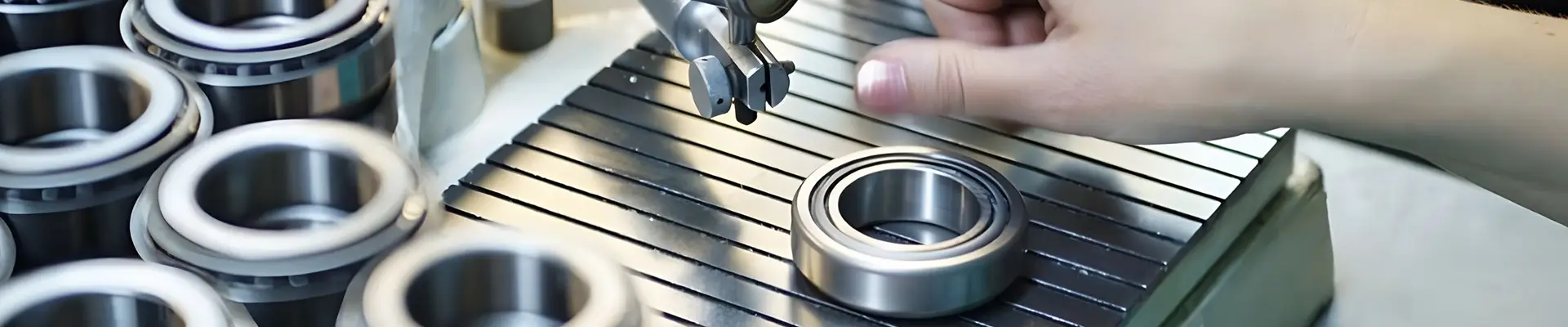
How Split Type Cylindrical Roller Bearings Enhance Machinery Efficiency
How Split Type Cylindrical Roller Bearings Enhance Machinery Efficiency
Table of Contents
- 1. Introduction to Split Type Cylindrical Roller Bearings
- 2. Understanding Bearings: The Backbone of Machinery
- 3. What Are Split Type Cylindrical Roller Bearings?
- 4. Advantages of Split Type Cylindrical Roller Bearings
- 5. How Split Type Bearings Improve Machine Efficiency
- 6. Applications of Split Type Cylindrical Roller Bearings
- 7. Maintenance Tips for Longevity
- 8. Frequently Asked Questions (FAQs)
- 9. Conclusion
1. Introduction to Split Type Cylindrical Roller Bearings
In today's fast-paced industrial landscape, **maximizing machine efficiency** is non-negotiable. **Split type cylindrical roller bearings** are a vital component in achieving this goal. They offer unique advantages over traditional bearings, particularly in terms of installation, maintenance, and operational efficiency. This article delves deep into the realm of split type cylindrical roller bearings, exploring their design, benefits, and applications, and how they significantly improve machinery performance.
2. Understanding Bearings: The Backbone of Machinery
Bearings are mechanical components that facilitate smooth motion between two parts, reducing friction and wear. They play a crucial role in machinery by supporting loads, enabling rotation, and ensuring precise movement. There are several types of bearings, each designed for specific applications and requirements.
**Cylindrical roller bearings** are particularly noteworthy due to their ability to handle radial loads and moderate axial loads, making them ideal for various industrial applications. Understanding the importance of bearings in machinery sets the stage for appreciating the advancements that split type designs bring to the table.
3. What Are Split Type Cylindrical Roller Bearings?
**Split type cylindrical roller bearings** consist of two separate halves that can be easily assembled around a shaft. This unique design allows for quick installation and replacement without the need to dismantle the entire assembly. The rollers are arranged in a manner that enhances load distribution and reduces stress on the bearing surfaces.
This type of bearing is constructed with high-quality materials, such as **chrome steel** or **stainless steel**, ensuring durability and resistance to wear. The split design not only simplifies maintenance but also allows for better alignment during installation, which is critical for achieving optimal machine performance.
4. Advantages of Split Type Cylindrical Roller Bearings
The advantages of split type cylindrical roller bearings are numerous, making them a preferred choice in various industrial applications.
4.1. Ease of Installation and Replacement
One of the standout features of split type cylindrical roller bearings is their ease of installation. Technicians can quickly change out a bearing without extensive downtime. This efficiency is critical in maintaining production schedules and reducing operational costs.
4.2. Enhanced Load Distribution
The design of split type bearings allows for improved load distribution across the rollers. This characteristic minimizes localized stress and enhances the overall lifespan of the bearing, reducing the frequency of replacements and maintenance.
4.3. Improved Alignment
When installing traditional bearings, achieving the perfect alignment can be challenging. Split type bearings, however, can be adjusted during installation. This flexibility ensures that the bearing operates smoothly, significantly reducing the risk of premature wear.
4.4. Reduced Maintenance Costs
With easier access for inspections and replacements, maintenance costs associated with split type cylindrical roller bearings are significantly lower. The ability to service these bearings without disassembling entire machinery results in less downtime and lower labor costs.
4.5. Versatility Across Industries
Split type cylindrical roller bearings are versatile and can be utilized across various industries, including manufacturing, construction, and heavy machinery. Their robust design makes them suitable for high-load applications while maintaining efficiency.
5. How Split Type Bearings Improve Machine Efficiency
Split type cylindrical roller bearings contribute to machine efficiency in several ways:
5.1. Reduced Friction
By enabling smoother rotational movement, split type bearings minimize friction between moving parts. This reduction leads to lower energy consumption and allows machines to operate with greater efficiency.
5.2. Enhanced Speed
The ability to maintain precise alignment and reduce friction enables machines to operate at higher speeds. Split type bearings can handle these speeds without compromising performance, allowing for increased productivity.
5.3. Lower Operating Temperatures
Efficient load distribution and reduced friction result in lower operating temperatures for machinery. This cooling effect not only extends the life of the bearings but also promotes overall machine health.
5.4. Increased Load Capacity
The design of split type cylindrical roller bearings allows them to handle higher loads than traditional bearings. This capability means that machines can operate under heavier conditions without the risk of failure, further enhancing efficiency.
6. Applications of Split Type Cylindrical Roller Bearings
The applications of split type cylindrical roller bearings are vast and varied. They are commonly used in:
6.1. Heavy Machinery
In industries like construction and mining, split type bearings are employed in excavators, cranes, and other heavy machinery, where durability and reliability are paramount.
6.2. Manufacturing Equipment
From conveyor systems to assembly lines, split type cylindrical roller bearings are integrated into manufacturing processes to ensure smooth operation and high productivity.
6.3. Wind Turbines
In renewable energy, split type bearings are used in wind turbines, where they can withstand the significant loads and stresses associated with turbine operation.
6.4. Automotive Applications
In the automotive industry, split type bearings can be found in various components, such as gearboxes and axle assemblies, contributing to overall vehicle efficiency.
7. Maintenance Tips for Longevity
To ensure the longevity of split type cylindrical roller bearings, proper maintenance is critical. Here are some essential tips:
7.1. Regular Inspections
Conduct frequent inspections to check for signs of wear and tear. Early detection of issues can prevent costly downtime.
7.2. Proper Lubrication
Utilize appropriate lubricants to reduce friction and enhance performance. Regularly check lubrication levels to avoid dry running.
7.3. Monitor Operating Conditions
Keep an eye on the operating conditions of the machinery. Excessive heat, load, or misalignment can lead to premature bearing failure.
7.4. Cleanliness is Key
Ensure that the bearing area is clean and free from contaminants. Dirt and debris can compromise bearing performance and lifespan.
8. Frequently Asked Questions (FAQs)
8.1. What are the main differences between split type and traditional cylindrical roller bearings?
The primary difference lies in the installation and maintenance ease. Split type bearings can be replaced without disassembling machinery, while traditional bearings often require complete dismantling.
8.2. How do I know if my split type bearings need to be replaced?
Signs such as unusual noise, excessive heat, or vibration during operation can indicate that it’s time for a replacement.
8.3. What is the typical lifespan of split type cylindrical roller bearings?
The lifespan can vary based on application and maintenance but generally ranges from several thousand to tens of thousands of operating hours.
8.4. Are split type bearings suitable for high-speed applications?
Yes, split type cylindrical roller bearings are designed to handle high speeds effectively while maintaining their performance.
8.5. What industries benefit most from using split type cylindrical roller bearings?
Industries such as manufacturing, heavy machinery, renewable energy, and automotive significantly benefit from their use due to improved efficiency and reduced downtime.
9. Conclusion
In conclusion, **split type cylindrical roller bearings** are a game-changer in the realm of machinery efficiency. Their unique design offers numerous advantages, including ease of installation, enhanced load distribution, and reduced maintenance costs. As industries continue to seek ways to optimize performance and minimize downtime, the adoption of these innovative bearings is likely to increase. By integrating split type cylindrical roller bearings into machinery, businesses can achieve greater operational efficiency, leading to improved productivity and reduced costs. In a competitive market, embracing such advancements is key to staying ahead.
Related News
