Welcome to Linqing Hairui Bearing Manufacturing Co., Ltd.


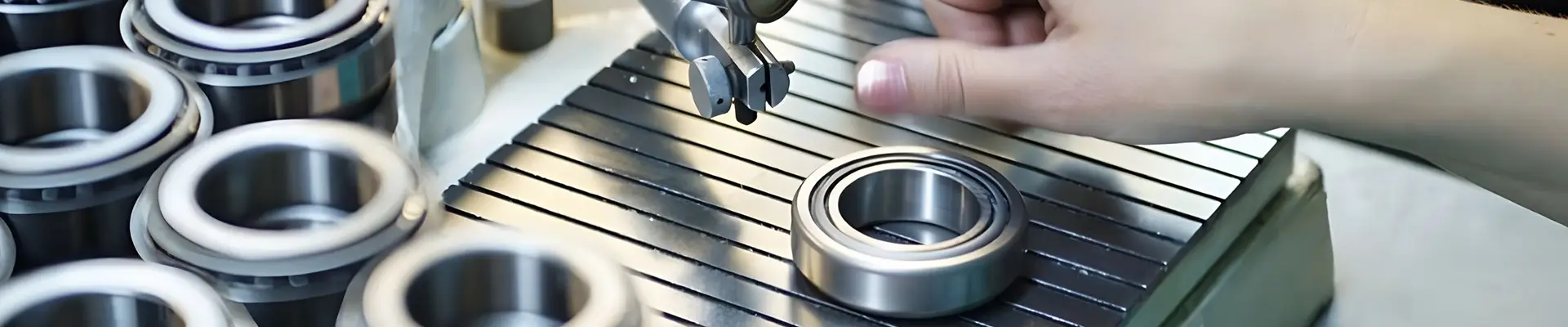
Exploring the Compatibility of Double Row Ball Bearings with Various Lubricants: A Comprehensive Guide
Exploring the Compatibility of Double Row Ball Bearings with Various Lubricants
Table of Contents
- Introduction to Double Row Ball Bearings
- Types of Lubricants for Double Row Ball Bearings
- Compatibility Considerations for Lubricants
- Impact of Lubricants on Bearing Performance
- Key Properties of Effective Lubricants
- Optimal Lubricants for Double Row Ball Bearings
- Maintenance Tips for Extended Bearing Life
- Frequently Asked Questions
- Conclusion
Introduction to Double Row Ball Bearings
Double row ball bearings are essential components in numerous industrial applications, known for their ability to accommodate both axial and radial loads. The design allows for greater load capacity compared to single row bearings, making them ideal for heavy machinery and equipment. The performance and longevity of these bearings significantly depend on the type of lubricant used.
Types of Lubricants for Double Row Ball Bearings
When selecting lubricants for double row ball bearings, several types are available, each offering unique benefits. Understanding these types helps in making informed decisions:
1. Grease Lubricants
Grease is a widely used lubricant for double row ball bearings due to its ability to stay in place and provide a consistent lubrication layer. Grease typically consists of a thickening agent, oil, and additives. The choice of grease should be based on operating conditions such as temperature and load.
2. Oil Lubricants
Oil lubricants offer superior cooling and are commonly used in high-speed applications. They provide better lubrication under varying load conditions. Both mineral oils and synthetic oils are available, with synthetic oils offering enhanced performance in extreme conditions.
3. Solid Lubricants
Solid lubricants, such as graphite or molybdenum disulfide, are used in applications where traditional lubricants may fail due to high temperatures or contamination. These lubricants provide a reliable solution in harsh environments.
Compatibility Considerations for Lubricants
Choosing the right lubricant involves understanding its compatibility with the bearing materials and the operating environment. Key considerations include:
1. Material Compatibility
Double row ball bearings are typically made from steel or ceramic materials. Selecting a lubricant that is chemically compatible with these materials is crucial to prevent degradation or damage.
2. Operating Temperature
Different lubricants have varying temperature thresholds. Understanding the operating temperature range is essential for selecting a lubricant that maintains consistent performance.
3. Contaminants and Environmental Factors
In many industrial environments, lubricants can come into contact with contaminants such as dust, moisture, and chemicals. The chosen lubricant must resist these elements to maintain bearing performance.
Impact of Lubricants on Bearing Performance
The lubricant plays a pivotal role in determining the performance characteristics of double row ball bearings. Proper lubrication enhances performance in the following ways:
1. Reducing Friction
Effective lubricants minimize friction between moving parts, leading to smoother operation and decreased energy consumption.
2. Preventing Wear and Tear
High-quality lubricants form protective films that shield bearing surfaces from wear and tear, ultimately extending the service life of the bearing.
3. Managing Temperature
Good lubricants help dissipate heat generated during operation, preventing overheating and maintaining optimal performance.
Key Properties of Effective Lubricants
When evaluating lubricants for double row ball bearings, consider the following properties to ensure optimal performance:
1. Viscosity
Viscosity measures a lubricant's resistance to flow. The right viscosity is crucial for ensuring proper lubrication, especially under varying temperatures and loads.
2. Additives
Additives enhance lubricant performance by providing additional protection against oxidation, corrosion, and wear. Selecting lubricants with the right additives can significantly improve bearing life.
3. Oxidation Stability
A lubricant's ability to resist oxidation extends its service life, especially in high-temperature applications. Look for lubricants with high oxidation stability ratings.
Optimal Lubricants for Double Row Ball Bearings
Identifying the best lubricants for double row ball bearings requires consideration of application-specific needs. Here are some top choices:
1. Lithium-Based Grease
Lithium-based grease is a popular choice for its excellent mechanical stability and water resistance. It is suitable for a wide range of temperatures and loads.
2. Synthetic Oil
Synthetic oils provide superior lubrication in extreme conditions and are resistant to thermal breakdown, making them ideal for high-speed applications.
3. Graphite Lubricants
Graphite lubricants are excellent for high-temperature environments where traditional oils may fail. They provide lasting lubrication even under extreme pressure.
Maintenance Tips for Extended Bearing Life
Regular maintenance is vital for ensuring the longevity of double row ball bearings. Here are effective maintenance strategies:
1. Regular Lubrication
Establish a lubrication schedule based on operational demands. Regularly check and replenish lubricant levels to avoid dry running conditions.
2. Monitoring Temperature
Keep an eye on bearing temperature during operation. Excessive heat can indicate insufficient lubrication, requiring immediate attention.
3. Inspections
Conduct periodic inspections for signs of wear, corrosion, or contamination. Early detection of issues can prevent costly breakdowns.
Frequently Asked Questions
1. What is the best lubricant for double row ball bearings?
The best lubricant depends on the specific application and operating conditions. Lithium-based grease and synthetic oils are commonly recommended.
2. How often should I lubricate double row ball bearings?
Lubrication frequency varies by application. Regular checks and lubrication schedules based on operational demands are essential.
3. Can I mix different types of lubricants?
Mixing different lubricants is generally not recommended unless compatibility has been confirmed, as it can lead to performance issues.
4. What are the signs of insufficient lubrication?
Signs include increased operating temperature, noise, vibration, and premature wear on bearings.
5. How does temperature affect lubricant performance?
Temperature impacts a lubricant's viscosity and stability. High temperatures can cause oils to break down, while low temperatures may lead to increased viscosity.
Conclusion
In exploring the compatibility of double row ball bearings with various lubricants, it is essential to understand the types of lubricants available, their properties, and the factors influencing their performance. By selecting the right lubricant tailored to specific application needs, maintenance practices can be optimized, ensuring the longevity and efficiency of double row ball bearings. Through informed choices and regular maintenance, we can enhance the performance and reliability of industrial equipment, driving productivity and reducing operational costs.
Related News
