Welcome to Linqing Hairui Bearing Manufacturing Co., Ltd.


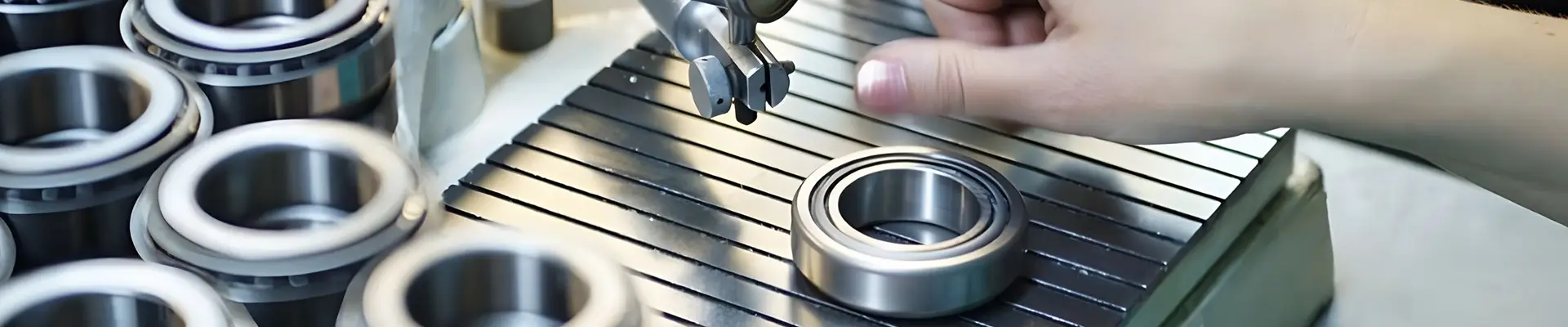
Innovative Uses for Split Type Cylindrical Roller Bearings in Modern Machinery
Innovative Uses for Split Type Cylindrical Roller Bearings in Modern Machinery
Table of Contents
- 1. Introduction to Split Type Cylindrical Roller Bearings
- 2. What Are Split Type Cylindrical Roller Bearings?
- 3. Advantages of Using Split Type Cylindrical Roller Bearings
- 4. Applications in Modern Machinery
- 4.1 Automotive Industry
- 4.2 Aerospace Industry
- 4.3 Mining and Construction Equipment
- 4.4 Industrial Machinery
- 5. Installation and Maintenance Best Practices
- 6. Future Trends in Bearing Technology
- 7. FAQs about Split Type Cylindrical Roller Bearings
- 8. Conclusion
1. Introduction to Split Type Cylindrical Roller Bearings
In the realm of modern machinery, **innovation** is key to enhancing performance and efficiency. **Split type cylindrical roller bearings** are at the forefront of this technological evolution. These bearings, designed for easy assembly and disassembly, offer numerous advantages that traditional bearings cannot match. As industries increasingly demand operational efficiency, understanding the unique benefits and innovative applications of these bearings becomes essential.
2. What Are Split Type Cylindrical Roller Bearings?
Split type cylindrical roller bearings consist of two separate components: an inner ring and an outer ring. Unlike traditional solid bearings, these split designs allow for **easy installation** and **maintenance** without the need for complex machinery disassembly. The rollers in these bearings are aligned in a cylindrical shape, providing a larger contact area with the races. This design leads to enhanced load-bearing capabilities and reduced friction during operation.
Key features of split type cylindrical roller bearings include:
- **Ease of Installation**: The split design simplifies the assembly process, making it accessible for various machinery setups.
- **Improved Load Distribution**: The cylindrical shape helps distribute loads evenly, reducing wear and extending lifespan.
- **Versatile Applications**: These bearings are adaptable across multiple industries, ranging from automotive to heavy machinery.
3. Advantages of Using Split Type Cylindrical Roller Bearings
The adoption of split type cylindrical roller bearings offers a plethora of advantages, making them a preferred choice for modern machinery. Key benefits include:
3.1 Enhanced Performance
Split type bearings reduce friction significantly, promoting smoother operation. This efficiency not only boosts performance but also contributes to energy savings.
3.2 Reduced Downtime
The straightforward installation process minimizes machinery downtime. In sectors where time is money, this feature proves invaluable.
3.3 Cost-Effectiveness
By enhancing machine performance and reducing maintenance needs, split type cylindrical roller bearings can lead to substantial cost savings over time.
3.4 Increased Lifespan
The design of these bearings promotes better load distribution, which significantly extends their operational lifespan compared to traditional bearings.
4. Applications in Modern Machinery
Split type cylindrical roller bearings have found applications in various fields, revolutionizing the way machinery operates. Below are some notable sectors where these bearings are making a difference.
4.1 Automotive Industry
In the automotive sector, split type cylindrical roller bearings are utilized in **transmissions** and **differential gears**. Their ability to handle high loads while minimizing friction is essential for improving fuel efficiency and overall vehicle performance.
4.2 Aerospace Industry
The aerospace industry demands components that are both lightweight and incredibly strong. Split type cylindrical roller bearings are integral to aircraft engines and landing gear systems, where reliability and performance are paramount.
4.3 Mining and Construction Equipment
In the rugged environments of mining and construction, these bearings help equipment withstand heavy loads and extreme conditions. Their ease of maintenance significantly contributes to minimizing downtimes, which is critical in these sectors.
4.4 Industrial Machinery
Industrial machinery, such as **conveyors** and **manufacturing equipment**, frequently employs split type cylindrical roller bearings. Their adaptability and robustness ensure seamless operation in various manufacturing processes.
5. Installation and Maintenance Best Practices
To maximize the benefits of split type cylindrical roller bearings, adhering to proper installation and maintenance practices is crucial.
5.1 Installation Guidelines
- Ensure all surfaces are clean and free from contaminants before installation.
- Confirm that the bearing and housing are properly aligned to prevent misalignment, which can lead to premature failure.
- Use appropriate tools designed for the specific bearing to prevent damage during installation.
5.2 Maintenance Tips
- Regularly inspect bearings for signs of wear or damage.
- Maintain proper lubrication to reduce friction and heat generation.
- Monitor operating temperatures to ensure they remain within the recommended range.
6. Future Trends in Bearing Technology
The future of split type cylindrical roller bearings is promising, with advancements in materials and designs on the horizon. Emerging trends include:
6.1 Smart Bearings
Integrating sensors into bearing designs will enable real-time monitoring of performance metrics, enhancing predictive maintenance capabilities.
6.2 Eco-Friendly Materials
The industry is moving towards the use of sustainable materials that reduce environmental impact while maintaining performance standards.
6.3 Advanced Coatings
New coating technologies are being developed to improve wear resistance and reduce friction, further increasing the lifespan of bearings.
7. FAQs about Split Type Cylindrical Roller Bearings
7.1 What industries commonly use split type cylindrical roller bearings?
Industries such as automotive, aerospace, mining, construction, and manufacturing frequently utilize these bearings due to their versatility and performance benefits.
7.2 How do split type bearings differ from traditional bearings?
Split type bearings allow for easy installation and maintenance, while traditional bearings often require complete disassembly for replacement or service.
7.3 Are split type cylindrical roller bearings more expensive than traditional bearings?
While they may have a higher upfront cost, their enhanced performance and reduced downtime often lead to overall cost savings in the long run.
7.4 How often should I maintain split type cylindrical roller bearings?
Regular maintenance checks should occur according to the machinery's operating conditions. A general recommendation is to inspect bearings every few months or as specified by the manufacturer.
7.5 Can split type bearings improve energy efficiency?
Yes, by reducing friction and improving operational efficiency, split type cylindrical roller bearings can significantly enhance energy efficiency in machinery.
8. Conclusion
Incorporating split type cylindrical roller bearings into modern machinery represents a significant advancement in engineering and design. Their unique features, coupled with the myriad of applications across various industries, highlight their importance in enhancing operational efficiency, reducing downtime, and ultimately driving cost savings. As technology evolves, the potential for these bearings to transform industrial machinery will only continue to grow. The future promises innovative developments that will further solidify the position of split type cylindrical roller bearings as a vital component in the machinery of tomorrow.
