Welcome to Linqing Hairui Bearing Manufacturing Co., Ltd.


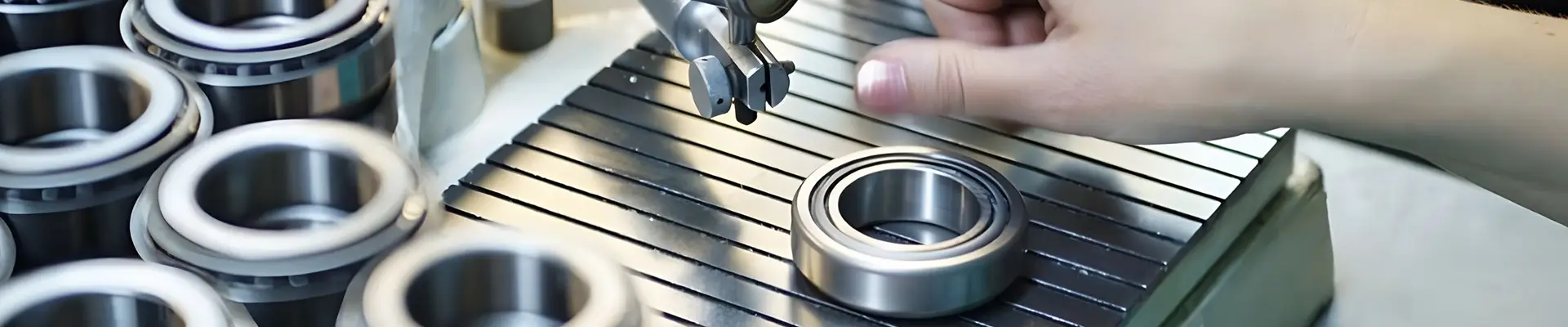
Understanding Tapered Roller Bearings: Essential Insights for Industrial Applications
Tapered roller bearings are a crucial component in various industrial applications, designed to accommodate both axial and radial loads. Their distinct shape features an inner and outer raceway that tapers, allowing the rollers to make contact at a single line. This design enhances load distribution and increases bearing capacity, making tapered roller bearings ideal for heavy-duty applications.
One of the primary advantages of tapered roller bearings is their ability to handle combined loads. In many industrial settings, machinery experiences both radial and axial forces simultaneously. Tapered roller bearings are engineered to manage these forces efficiently, ensuring optimal performance and durability in applications such as automotive wheel hubs, gearboxes, and conveyor systems.
In terms of installation, tapered roller bearings require precise alignment and adjustment. The axial clearance, or preload, plays a significant role in ensuring the bearing operates effectively. Improper installation can lead to premature wear or failure, which highlights the importance of following manufacturer guidelines and industry best practices during the installation process.
Maintenance is another critical aspect of tapered roller bearings. Regular inspection and lubrication are essential to ensure their longevity and performance. The lubrication type and intervals depend on the specific application and operating conditions. Choosing the right lubricant can significantly impact the bearing's operational efficiency and lifespan. Moreover, monitoring for signs of wear, such as increased noise or vibration, can help identify issues before they lead to significant problems.
Tapered roller bearings are not only versatile but also come in various sizes and designs, catering to different industrial needs. From small applications in household appliances to large-scale implementations in heavy machinery, these bearings provide reliable performance across a wide spectrum of industries.
In summary, understanding tapered roller bearings is essential for professionals in the industrial equipment sector. Their unique design allows for efficient handling of combined loads, and proper installation and maintenance are crucial for maximizing their lifespan and functionality. By focusing on these aspects, organizations can ensure that their machinery operates smoothly and effectively, ultimately enhancing productivity and reducing downtime. Whether you're involved in manufacturing, maintenance, or engineering, knowledge of tapered roller bearings will empower you to make informed decisions that benefit your operations.
One of the primary advantages of tapered roller bearings is their ability to handle combined loads. In many industrial settings, machinery experiences both radial and axial forces simultaneously. Tapered roller bearings are engineered to manage these forces efficiently, ensuring optimal performance and durability in applications such as automotive wheel hubs, gearboxes, and conveyor systems.
In terms of installation, tapered roller bearings require precise alignment and adjustment. The axial clearance, or preload, plays a significant role in ensuring the bearing operates effectively. Improper installation can lead to premature wear or failure, which highlights the importance of following manufacturer guidelines and industry best practices during the installation process.
Maintenance is another critical aspect of tapered roller bearings. Regular inspection and lubrication are essential to ensure their longevity and performance. The lubrication type and intervals depend on the specific application and operating conditions. Choosing the right lubricant can significantly impact the bearing's operational efficiency and lifespan. Moreover, monitoring for signs of wear, such as increased noise or vibration, can help identify issues before they lead to significant problems.
Tapered roller bearings are not only versatile but also come in various sizes and designs, catering to different industrial needs. From small applications in household appliances to large-scale implementations in heavy machinery, these bearings provide reliable performance across a wide spectrum of industries.
In summary, understanding tapered roller bearings is essential for professionals in the industrial equipment sector. Their unique design allows for efficient handling of combined loads, and proper installation and maintenance are crucial for maximizing their lifespan and functionality. By focusing on these aspects, organizations can ensure that their machinery operates smoothly and effectively, ultimately enhancing productivity and reducing downtime. Whether you're involved in manufacturing, maintenance, or engineering, knowledge of tapered roller bearings will empower you to make informed decisions that benefit your operations.
Related News
