Welcome to Linqing Hairui Bearing Manufacturing Co., Ltd.


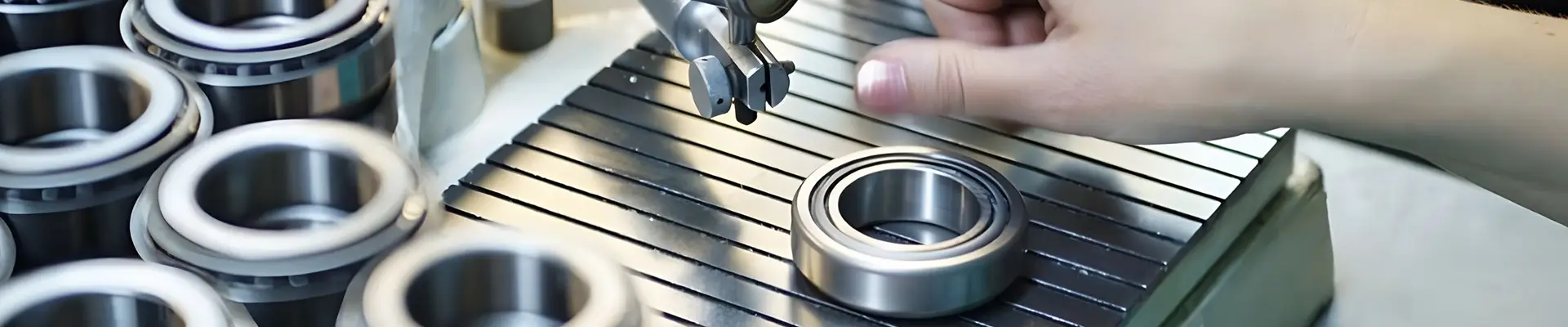
The Role of Double Row Ball Bearings in Power Transmission Systems: Enhancing Efficiency and Reliability
The Role of Double Row Ball Bearings in Power Transmission Systems
Introduction to Double Row Ball Bearings
In the realm of mechanical engineering, **double row ball bearings** play an essential role in enhancing the functionality of power transmission systems. These bearings consist of two rows of balls, which provide increased load-carrying capacity and stability. Unlike single row bearings, double row ball bearings offer superior performance, particularly in applications where space is limited, and efficiency is paramount. This article delves into the significant impact of double row ball bearings on power transmission systems, focusing on their design, advantages, applications, and best practices for maintenance.
What are Power Transmission Systems?
Power transmission systems are crucial in the transfer of energy from one location to another within machinery and equipment. They encompass various components such as gears, belts, and bearings that work in harmony to ensure seamless operation. These systems are widely used in industries ranging from manufacturing to transportation, and their efficiency directly affects overall productivity.
Understanding the Functionality of Double Row Ball Bearings
Double row ball bearings are characterized by their two rows of balls arranged in a circular formation. This design allows them to accommodate both radial and axial loads, making them ideal for applications that require high stability and durability. The increased number of balls not only enhances load distribution but also results in lower friction and wear, translating to extended service life.
Design and Construction of Double Row Ball Bearings
The design of double row ball bearings typically includes an outer ring, two rows of balls, and an inner ring. The outer ring features a groove that allows the balls to rotate smoothly, while the inner ring provides a sturdy base for load application. Various materials, such as steel and ceramic, are used in manufacturing these bearings, offering different benefits in terms of strength, weight, and resistance to corrosion.
Advantages of Double Row Ball Bearings
Double row ball bearings provide several advantages that contribute to their widespread use in power transmission systems:
1. **Enhanced Load Capacity**: With two rows of balls, these bearings can handle higher radial and axial loads compared to their single-row counterparts.
2. **Reduced Friction**: The design allows for smoother movement, minimizing friction and heat generation, which in turn reduces wear and tear.
3. **Compact Design**: Their ability to support high loads in a compact format makes them ideal for applications with space constraints.
4. **Improved Stability**: The dual-row design enhances the stability of the bearing, making it more effective in high-speed applications.
5. **Versatile Applications**: Double row ball bearings are compatible with a wide range of power transmission systems, including conveyors, automotive applications, and industrial machinery.
Applications of Double Row Ball Bearings in Power Transmission
Double row ball bearings are utilized across various industries, demonstrating their versatility and efficiency. Here are some key applications:
1. **Automotive Industry**: These bearings are commonly found in vehicle transmissions, where they facilitate smooth gear shifting and power delivery.
2. **Manufacturing Equipment**: In CNC machines and lathes, double row ball bearings ensure precision and reliability, crucial for high-quality production.
3. **Material Handling Systems**: Conveyors and hoists benefit from the strength and stability of double row ball bearings, allowing for safe and efficient material transfer.
4. **Wind Turbines**: These bearings contribute to the reliability and longevity of wind turbine gearboxes, optimizing energy production.
5. **Agricultural Machinery**: In farming equipment, double row ball bearings help manage heavy loads while maintaining performance in harsh conditions.
Best Practices for Maintaining Double Row Ball Bearings
To ensure the longevity and optimal performance of double row ball bearings, regular maintenance is essential. Here are some best practices to follow:
Regular Inspections
Conduct routine inspections to detect any signs of wear, damage, or misalignment. Early identification of issues can prevent costly failures and extend the bearing's lifespan.
Proper Lubrication
Maintaining the right lubrication levels is crucial for reducing friction and preventing overheating. Use high-quality lubricants suitable for the specific operating conditions of your application.
Monitor Operating Conditions
Be aware of the operating environment. Factors such as temperature, humidity, and dust can affect bearing performance. Implement protective measures to mitigate these risks.
Follow Manufacturer Guidelines
Adhering to the manufacturer's recommendations for installation, lubrication, and maintenance will ensure that the bearings operate at peak efficiency.
Future Developments in Double Row Ball Bearings
As technology advances, so too does the design and functionality of double row ball bearings. Innovations in materials and manufacturing processes are leading to even more efficient and durable bearings. The trend towards automation and smart technologies in industrial applications will likely drive demand for enhanced bearing solutions that offer improved performance metrics.
Conclusion
In conclusion, double row ball bearings are pivotal in ensuring the efficiency and reliability of power transmission systems. Their unique design allows for superior load capacity, reduced friction, and enhanced stability, making them indispensable across various industries. By understanding their advantages, applications, and maintenance practices, businesses can optimize their operations and enhance productivity. As technology continues to evolve, the role of double row ball bearings will likely expand, paving the way for innovative solutions in power transmission systems.
FAQs
1. What is the main difference between single row and double row ball bearings?
The primary difference lies in their design; double row ball bearings have two rows of balls, allowing for greater load capacity and stability compared to single row bearings.
2. In what industries are double row ball bearings commonly used?
Double row ball bearings are extensively used in automotive, manufacturing, material handling, wind energy, and agricultural machinery industries.
3. How often should double row ball bearings be inspected?
Regular inspections should be conducted at least every few months, or more frequently depending on the application and operating conditions.
4. What type of lubrication is best for double row ball bearings?
The best lubrication depends on the specific application and operating environment. High-quality synthetic lubricants are often recommended for their durability and heat resistance.
5. What are the signs of failure in double row ball bearings?
Signs of failure may include unusual noise, vibration, overheating, or visible wear and damage. Early detection is key to preventing further issues.
Related News
