Welcome to Linqing Hairui Bearing Manufacturing Co., Ltd.


Understanding Deep Groove Ball Bearings: Essential Insights for Industrial Applications
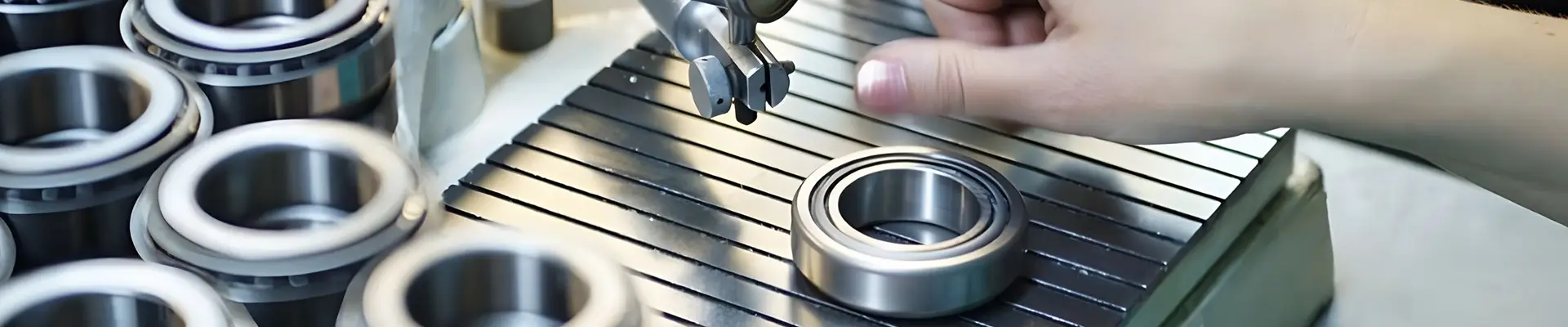
Deep groove ball bearings are one of the most widely used types of rolling bearings in various industrial applications. Their design allows them to accommodate both radial and axial loads, making them versatile in numerous settings. Typically made from high-quality steel or ceramic materials, these bearings are engineered to provide optimal performance and longevity, which is crucial for machinery operations.
One of the standout features of deep groove ball bearings is their deep raceway grooves, which enable them to handle a combination of radial and axial loads in both directions. This unique design improves their load-carrying capacity and overall efficiency. As a result, they are commonly found in electric motors, automotive applications, gearboxes, and many other types of machinery.
When selecting deep groove ball bearings for your application, several factors should be considered. First, the operating environment is crucial; factors such as temperature, humidity, and exposure to contaminants can significantly affect bearing performance. Additionally, understanding the speed and load requirements of your application will help determine the appropriate bearing specifications.
Another important consideration is lubrication. Proper lubrication is fundamental to reducing friction and wear within the bearing, thereby extending its service life. Depending on the application, you may choose from various lubrication methods, including grease or oil, and consider whether a sealed or shielded bearing is necessary to protect against foreign particles.
Deep groove ball bearings also come in various sizes and designs to suit specific applications. Standard options are readily available, but for specialized needs, custom solutions can be developed. When selecting a bearing, ensure that it meets the relevant industry standards and specifications to ensure compatibility and performance.
In terms of maintenance, while deep groove ball bearings are designed for durability, regular inspection and maintenance are essential for optimal operation. Monitoring wear and tear, ensuring proper alignment, and replacing lubricants periodically can prevent premature failure and costly downtime.
In conclusion, deep groove ball bearings are integral components in many industrial applications, known for their versatility and reliability. Understanding their design, selection criteria, and maintenance practices can significantly enhance operational efficiency and machinery longevity. For professionals in the field, being informed about these bearings is vital for making sound decisions that drive productivity and performance in industrial operations.
One of the standout features of deep groove ball bearings is their deep raceway grooves, which enable them to handle a combination of radial and axial loads in both directions. This unique design improves their load-carrying capacity and overall efficiency. As a result, they are commonly found in electric motors, automotive applications, gearboxes, and many other types of machinery.
When selecting deep groove ball bearings for your application, several factors should be considered. First, the operating environment is crucial; factors such as temperature, humidity, and exposure to contaminants can significantly affect bearing performance. Additionally, understanding the speed and load requirements of your application will help determine the appropriate bearing specifications.
Another important consideration is lubrication. Proper lubrication is fundamental to reducing friction and wear within the bearing, thereby extending its service life. Depending on the application, you may choose from various lubrication methods, including grease or oil, and consider whether a sealed or shielded bearing is necessary to protect against foreign particles.
Deep groove ball bearings also come in various sizes and designs to suit specific applications. Standard options are readily available, but for specialized needs, custom solutions can be developed. When selecting a bearing, ensure that it meets the relevant industry standards and specifications to ensure compatibility and performance.
In terms of maintenance, while deep groove ball bearings are designed for durability, regular inspection and maintenance are essential for optimal operation. Monitoring wear and tear, ensuring proper alignment, and replacing lubricants periodically can prevent premature failure and costly downtime.
In conclusion, deep groove ball bearings are integral components in many industrial applications, known for their versatility and reliability. Understanding their design, selection criteria, and maintenance practices can significantly enhance operational efficiency and machinery longevity. For professionals in the field, being informed about these bearings is vital for making sound decisions that drive productivity and performance in industrial operations.
Related News
