Welcome to Linqing Hairui Bearing Manufacturing Co., Ltd.


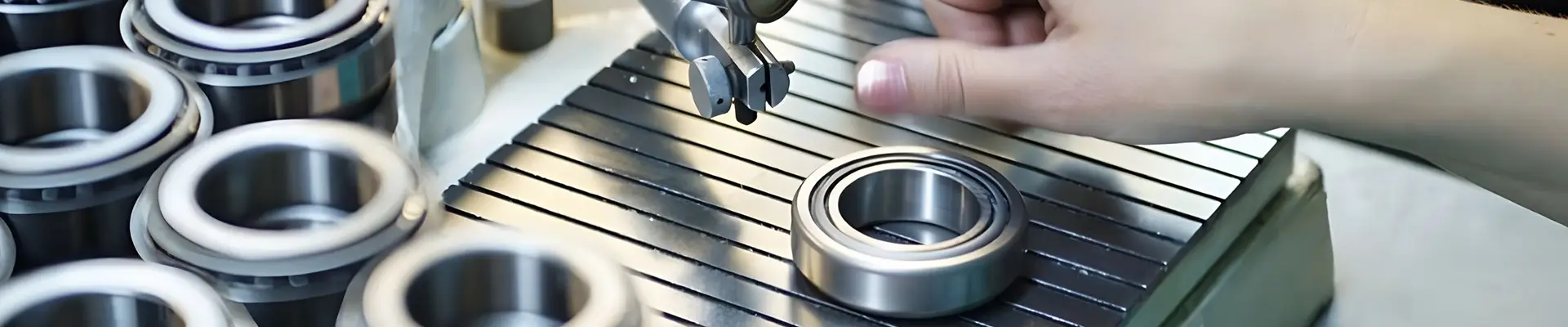
Understanding Spherical Roller Bearings: A Key Component in Industrial Applications
Spherical roller bearings are a pivotal type of rolling-element bearing designed to accommodate both radial and axial loads in various applications. Their unique design features, which include two rows of symmetrical rolling elements and a common spherical outer raceway, enable them to handle misalignment and provide high load capacity, making them an essential component in industrial machinery.
One of the primary advantages of spherical roller bearings is their ability to accommodate misalignment between the shaft and housing. This characteristic is particularly beneficial in applications where alignment may shift due to thermal expansion, wear, or other operational factors. The self-aligning capability of these bearings allows for smoother operation and prolonged equipment life, reducing the likelihood of premature failure.
In terms of load capacity, spherical roller bearings excel in handling heavy loads. They are engineered to support both radial and axial loads, which makes them ideal for use in equipment subjected to high stresses, such as conveyor systems, crushers, and industrial gearboxes. The robust design of spherical roller bearings ensures they can maintain performance under challenging conditions, contributing to the overall efficiency of machinery.
Moreover, the versatility of spherical roller bearings extends to their operational environments. They are commonly used in industries such as mining, construction, manufacturing, and transportation. In these sectors, the bearings endure harsh conditions, including exposure to dust, moisture, and extreme temperatures. Therefore, selecting the right lubrication and sealing options is critical to optimizing their performance and extending their service life.
When it comes to maintenance, spherical roller bearings require regular inspection to ensure optimal performance. Monitoring for signs of wear, such as unusual noise or vibration, can help identify potential issues before they escalate into more significant problems. Additionally, maintaining proper lubrication is key to reducing friction and wear, which can help prolong the life of the bearing and enhance operational efficiency.
In summary, spherical roller bearings play a vital role in the functioning of a wide array of industrial equipment. Their ability to accommodate misalignment, high load capacity, and resilience in harsh environments make them an indispensable choice for many applications. Understanding their features and maintenance requirements can significantly benefit industries that rely on reliable and efficient machinery. By leveraging these bearings effectively, organizations can enhance their operational performance and reduce downtime, ultimately leading to improved productivity and profitability.
One of the primary advantages of spherical roller bearings is their ability to accommodate misalignment between the shaft and housing. This characteristic is particularly beneficial in applications where alignment may shift due to thermal expansion, wear, or other operational factors. The self-aligning capability of these bearings allows for smoother operation and prolonged equipment life, reducing the likelihood of premature failure.
In terms of load capacity, spherical roller bearings excel in handling heavy loads. They are engineered to support both radial and axial loads, which makes them ideal for use in equipment subjected to high stresses, such as conveyor systems, crushers, and industrial gearboxes. The robust design of spherical roller bearings ensures they can maintain performance under challenging conditions, contributing to the overall efficiency of machinery.
Moreover, the versatility of spherical roller bearings extends to their operational environments. They are commonly used in industries such as mining, construction, manufacturing, and transportation. In these sectors, the bearings endure harsh conditions, including exposure to dust, moisture, and extreme temperatures. Therefore, selecting the right lubrication and sealing options is critical to optimizing their performance and extending their service life.
When it comes to maintenance, spherical roller bearings require regular inspection to ensure optimal performance. Monitoring for signs of wear, such as unusual noise or vibration, can help identify potential issues before they escalate into more significant problems. Additionally, maintaining proper lubrication is key to reducing friction and wear, which can help prolong the life of the bearing and enhance operational efficiency.
In summary, spherical roller bearings play a vital role in the functioning of a wide array of industrial equipment. Their ability to accommodate misalignment, high load capacity, and resilience in harsh environments make them an indispensable choice for many applications. Understanding their features and maintenance requirements can significantly benefit industries that rely on reliable and efficient machinery. By leveraging these bearings effectively, organizations can enhance their operational performance and reduce downtime, ultimately leading to improved productivity and profitability.
Related News
