Welcome to Linqing Hairui Bearing Manufacturing Co., Ltd.


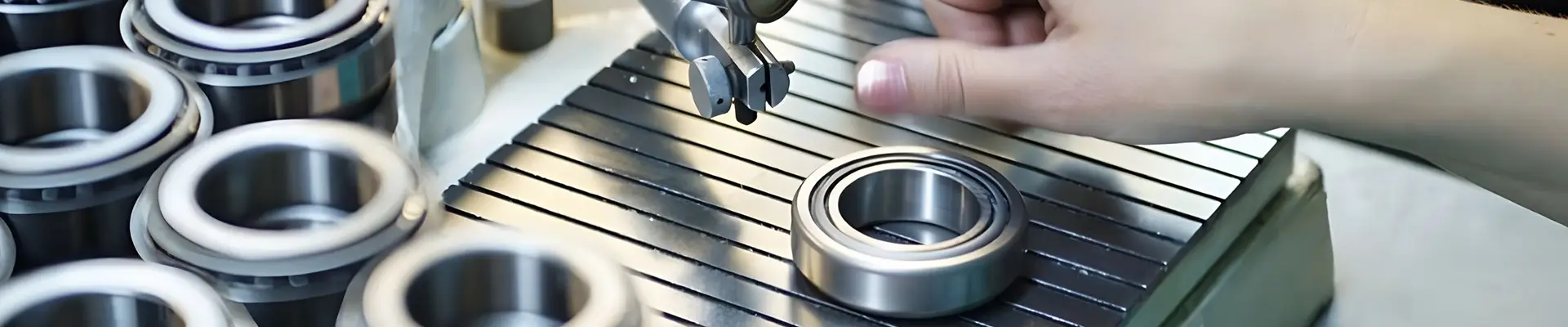
Exploring the Advantages of Split Type Cylindrical Roller Bearings in Industrial Applications
Exploring the Advantages of Split Type Cylindrical Roller Bearings in Industrial Applications
Table of Contents
1. Introduction to Split Type Cylindrical Roller Bearings
2. The Design and Functionality of Split Type Bearings
3. Key Advantages of Split Type Cylindrical Roller Bearings
3.1. Enhanced Maintenance Efficiency
3.2. Cost-Effectiveness in Installation
3.3. Improved Load Distribution and Performance
4. Applications in Diverse Industrial Sectors
4.1. Manufacturing Industry
4.2. Mining and Heavy Equipment
4.3. Power Generation
5. Comparing Split Type with Conventional Bearings
6. Guidelines for Selecting the Right Split Type Bearing
7. Frequently Asked Questions (FAQs)
8. Conclusion
1. Introduction to Split Type Cylindrical Roller Bearings
In the realm of industrial machinery, **bearings play a pivotal role** in ensuring smooth operation, reducing friction, and extending the lifespan of equipment. Among the various types of bearings, **split type cylindrical roller bearings** have emerged as a favored option, particularly in applications that demand efficiency and reliability. These bearings consist of two separate halves, allowing for quick assembly and disassembly, which is crucial for maintenance-intensive environments.
2. The Design and Functionality of Split Type Bearings
Split type cylindrical roller bearings feature a unique design that sets them apart from traditional bearings. Each bearing is composed of an outer ring, an inner ring, and rolling elements (cylindrical rollers) that maintain a high load capacity while ensuring minimal friction. The split design allows for easier installation and replacement, particularly in confined spaces where traditional bearings might be difficult to manage.
The **simplicity of the design** offers engineers and maintenance personnel a straightforward approach to bearing replacement, minimizing downtime and enhancing productivity.
3. Key Advantages of Split Type Cylindrical Roller Bearings
When it comes to industrial applications, the advantages of split type cylindrical roller bearings are substantial. Below are some of the noteworthy benefits:
3.1. Enhanced Maintenance Efficiency
One of the primary advantages of split type bearings is their **ease of maintenance**. Unlike conventional bearings that require complete disassembly of the machinery to replace, split type bearings can be replaced without removing the entire assembly. This reduces downtime significantly, allowing for faster repairs and maintenance operations.
3.2. Cost-Effectiveness in Installation
The installation process for split type cylindrical roller bearings is often more cost-effective than their traditional counterparts. Because they can be installed without specialized tools or extensive labor, businesses save on both time and costs associated with machinery disassembly. This financial benefit is particularly significant for industries that operate large equipment, where labor costs can quickly add up.
3.3. Improved Load Distribution and Performance
Split type bearings provide superior load distribution capabilities, making them ideal for heavy machinery applications. The design allows for an even distribution of stress across the bearing, minimizing wear and increasing the overall lifespan of the component. This leads to enhanced performance and reliability, crucial in demanding industrial settings.
4. Applications in Diverse Industrial Sectors
The versatility of split type cylindrical roller bearings has led to their use in various industrial sectors. Below, we explore a few of these applications:
4.1. Manufacturing Industry
In manufacturing, split type cylindrical roller bearings are commonly employed in conveyor systems and processing equipment. Their ease of maintenance and robust design contribute to uninterrupted production processes, ultimately improving efficiency and product quality.
4.2. Mining and Heavy Equipment
Mining operations rely heavily on split type bearings due to their **ability to withstand harsh conditions**. These bearings can endure extreme loads and abrasive particles commonly found in mining environments, making them a reliable choice for heavy machinery like excavators and haul trucks.
4.3. Power Generation
In the power generation sector, split type cylindrical roller bearings are utilized in turbines and generators. Their reliable performance under high speeds and loads ensures that machinery operates smoothly, thereby optimizing energy output.
5. Comparing Split Type with Conventional Bearings
When comparing split type cylindrical roller bearings with conventional bearings, several factors come into play. Split type bearings excel in maintenance, installation ease, and load distribution. Conversely, conventional bearings may have a lower initial cost but can incur higher long-term expenses due to maintenance and replacement challenges.
In applications where downtime must be minimized, split type bearings are often the preferred choice. Their design inherently reduces the complexity associated with traditional bearing installations and upkeep.
6. Guidelines for Selecting the Right Split Type Bearing
Choosing the right split type cylindrical roller bearing requires careful consideration of several factors:
1. **Load Requirements**: Understand the load conditions your machinery will face. Choose bearings that can handle these loads efficiently.
2. **Speed Ratings**: Evaluate the speed at which your equipment operates and select bearings that are rated for those speeds.
3. **Operating Environment**: Consider environmental factors such as temperature, humidity, and exposure to contaminants.
4. **Compatibility**: Ensure that the selected bearings fit well with existing machinery components for smooth operation.
5. **Maintenance Needs**: Assess the maintenance capabilities of your team and choose bearings that align with your operational strategies.
7. Frequently Asked Questions (FAQs)
**Q1: What materials are split type cylindrical roller bearings made of?**
A1: Split type cylindrical roller bearings are typically made from high-strength steel or other durable materials designed to withstand heavy loads and operational stress.
**Q2: How do split type bearings compare in performance to standard bearings?**
A2: Split type bearings generally offer better performance due to their design that enhances load distribution and simplifies maintenance.
**Q3: Can split type cylindrical roller bearings be used in high-temperature environments?**
A3: Yes, there are specialized split type bearings designed to operate effectively in high-temperature conditions, often made from heat-resistant materials.
**Q4: Are split type bearings easy to install?**
A4: Absolutely! One of the significant advantages of split type bearings is their straightforward installation process, which requires less downtime.
**Q5: What industries benefit the most from using split type cylindrical roller bearings?**
A5: Industries such as manufacturing, mining, and power generation find enormous benefits from using split type cylindrical roller bearings due to their robustness and maintenance efficiency.
8. Conclusion
Split type cylindrical roller bearings represent a significant advancement in bearing technology, particularly for industrial applications where maintenance efficiency, cost-effectiveness, and load capacity are paramount. Their unique design and functionality offer substantial advantages over traditional bearings, making them an invaluable component in modern industrial machinery. By understanding their benefits and applications, businesses can make informed decisions to enhance operational performance and longevity of equipment. Embracing split type cylindrical roller bearings not only improves maintenance practices but also contributes to the overall productivity and efficiency of industrial operations.
Related News
