Welcome to Linqing Hairui Bearing Manufacturing Co., Ltd.


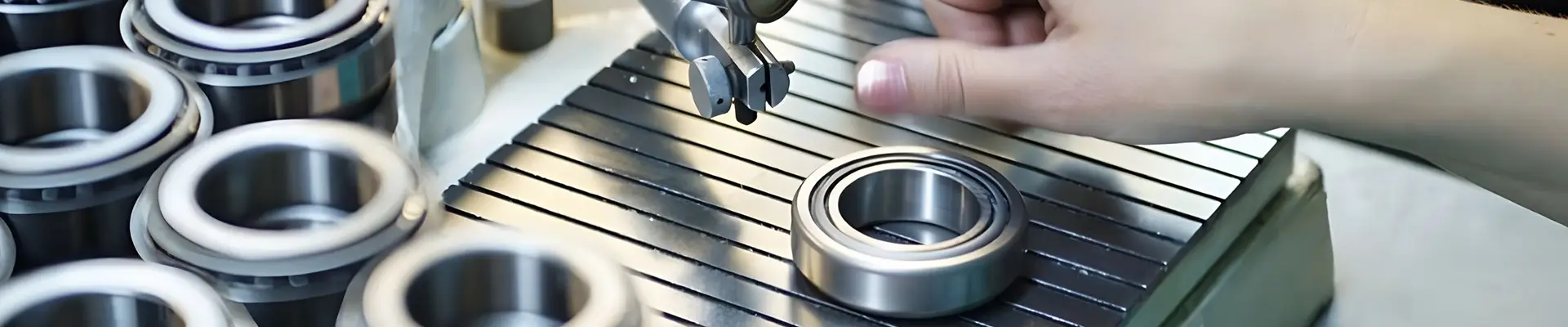
Understanding the Advantages of Needle Roller Bearings in Industrial Applications
Understanding the Advantages of Needle Roller Bearings in Industrial Applications
Needle roller bearings represent a sophisticated solution for various industrial applications, primarily known for their ability to carry heavy loads while providing minimum friction. These bearings are designed to optimize performance in machinery by ensuring that components move smoothly and efficiently. This article delves into the unique advantages of needle roller bearings, their applications, and why they are becoming increasingly popular in the industrial sector.
What Are Needle Roller Bearings?
Needle roller bearings are a type of rolling-element bearing that utilizes long, thin rollers, also known as needles, to reduce friction between moving surfaces. This design allows for a high load-carrying capacity despite the bearing's compact size. They are widely used in various industrial applications, ranging from automotive components to heavy machinery.
The Key Components of Needle Roller Bearings
Understanding the components of needle roller bearings is crucial to appreciating their functionality. The primary components include:
- **Inner Race:** The inner ring that rotates with the shaft.
- **Outer Race:** The outer ring that remains stationary.
- **Needles:** The long cylindrical rollers that facilitate movement between the inner and outer races.
- **Cage:** A separator that keeps the needles evenly spaced and prevents them from colliding.
Different Types of Needle Roller Bearings
Needle roller bearings come in various forms, each suited for specific applications:
1. **Needle Roller and Cage Assemblies:** These consist of needles and a cage, providing a lightweight solution ideal for supporting radial loads.
2. **Drawn Cup Needle Roller Bearings:** Encased in a thin-walled outer shell, these bearings are perfect for applications where space is limited.
3. **Needle Roller Bearings with Inner Rings:** These provide a surface for the needles to roll against, particularly useful in applications where the shaft lacks sufficient hardness.
Advantages of Using Needle Roller Bearings
Needle roller bearings offer numerous advantages, making them a preferred choice for many industrial applications.
1. High Load Capacity in Compact Sizes
One of the most significant advantages of needle roller bearings is their ability to support high radial loads while maintaining a relatively small footprint. The elongated shape of the needles allows for a larger contact area with the raceways, resulting in superior load distribution.
2. Reduced Friction and Increased Efficiency
Needle roller bearings are designed to minimize friction, which is vital for enhancing the efficiency of machinery. With less friction, energy losses are reduced, leading to lower operational costs. The smooth movement of the bearings also contributes to less wear on the machinery, promoting longer service life.
3. Enhanced Durability and Reliability
The robust design of needle roller bearings ensures they can withstand harsh operating conditions. They are resistant to impact loads and can operate effectively in environments with contaminants, such as dust and moisture. As a result, needle roller bearings provide a reliable solution for critical applications in industrial settings.
4. Versatility in Application
Needle roller bearings are used across various industries, including automotive, aerospace, manufacturing, and more. Their adaptability makes them suitable for applications ranging from electric motors to construction equipment. This versatility extends to the different configurations available, allowing for tailored solutions to meet specific requirements.
5. Cost-Effectiveness
Investing in needle roller bearings can lead to significant cost savings in the long run. Their ability to reduce friction and wear means that machinery experiences less downtime and requires less frequent maintenance. Additionally, their durability translates to fewer replacements over time, making them a cost-effective choice for businesses.
Applications of Needle Roller Bearings in Industry
The applications of needle roller bearings are vast and varied, showcasing their importance in modern industrial operations.
Automotive Industry
In the automotive sector, needle roller bearings are extensively used in gearboxes, crankshafts, and electric motors. Their compact design allows for efficient power transmission and contributes to the overall performance of vehicles.
Aerospace Applications
Needle roller bearings play a crucial role in aerospace machinery, where reliability and weight savings are paramount. These bearings are commonly found in landing gear, engines, and control systems, ensuring smooth operation under extreme conditions.
Manufacturing Equipment
Manufacturing processes rely heavily on precision machinery, where needle roller bearings facilitate smooth motion in conveyors, robotics, and CNC machines. Their high load capacity makes them ideal for heavy-duty applications in this sector.
Construction Machinery
In the construction industry, needle roller bearings are used in hydraulic systems, excavators, and other heavy machinery. Their ability to handle significant loads while operating in challenging environments makes them indispensable.
Maintenance Tips for Needle Roller Bearings
To maximize the lifespan and performance of needle roller bearings, proper maintenance is essential. Here are some tips to ensure optimal operation:
1. Regular Lubrication
Ensuring proper lubrication is critical to reducing friction and preventing wear. Use the recommended lubricant type and apply it regularly to maintain smooth operation.
2. Monitor Temperature
Excessive heat can indicate issues with lubrication or alignment. Regularly monitor the temperature of the bearings and address any irregularities promptly.
3. Inspect for Contamination
Contaminants such as dirt and moisture can severely impact the performance of needle roller bearings. Implement regular inspections and cleaning protocols to keep the bearings free from debris.
4. Check for Wear and Tear
Regularly check for signs of wear on the needles and raceways. Early detection of wear can prevent catastrophic failures and extend the life of the bearings.
Common FAQs About Needle Roller Bearings
1. What makes needle roller bearings different from other types of bearings?
Needle roller bearings use elongated rollers, providing a larger contact area with raceways compared to ball bearings, resulting in a higher load capacity in a smaller size.
2. How do I determine the right needle roller bearing for my application?
Consider factors such as load capacity, dimensions, operating conditions, and whether you need an inner ring. Consult with bearing manufacturers for tailored recommendations.
3. Can needle roller bearings operate at high speeds?
Yes, needle roller bearings can handle high rotational speeds, but it is essential to ensure proper lubrication and maintain alignment to prevent overheating.
4. Are needle roller bearings suitable for heavy-duty applications?
Absolutely. Their design allows them to support high loads, making them ideal for heavy-duty industrial applications.
5. What are the signs that a needle roller bearing needs replacement?
Signs include increased noise, overheating, unusual vibrations, or visible wear on the bearing components. Regular inspections can help catch issues early.
Conclusion
Needle roller bearings are an indispensable component in many industrial applications, offering a range of benefits including high load capacity, reduced friction, and enhanced durability. Their versatility makes them suitable for various industries, from automotive to aerospace and manufacturing. By understanding their advantages and implementing proper maintenance practices, businesses can optimize the performance of their machinery, reduce costs, and improve operational efficiency. Investing in needle roller bearings is not just a choice; it is a strategic decision that can lead to significant long-term benefits.
Related News
