Welcome to Linqing Hairui Bearing Manufacturing Co., Ltd.


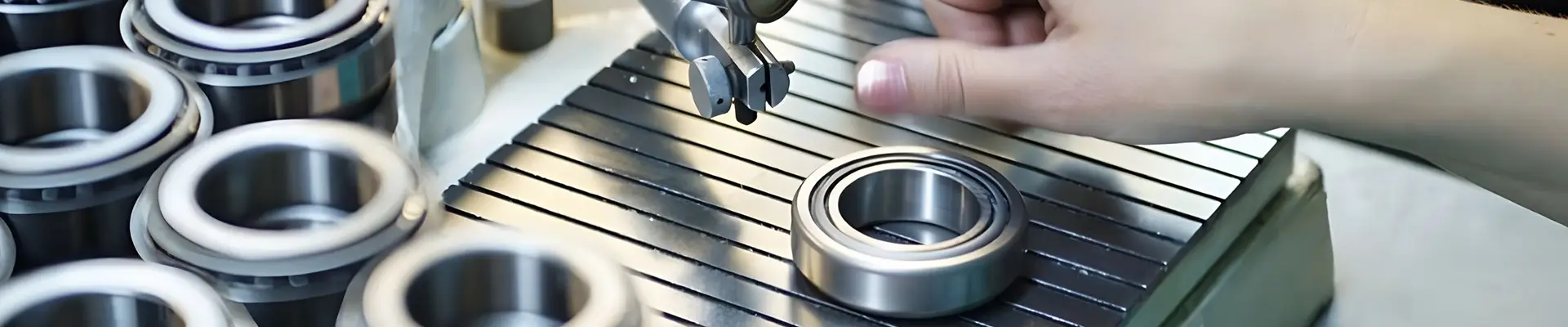
How to Choose the Right Single Row Cylindrical Roller Bearing for Your Equipment
How to Choose the Right Single Row Cylindrical Roller Bearing for Your Equipment
Table of Contents
- 1. Introduction to Single Row Cylindrical Roller Bearings
- 2. Understanding Your Application and Requirements
- 3. Types of Single Row Cylindrical Roller Bearings
- 4. Dimensions and Load Capacity Considerations
- 5. Material Selection for Durability
- 6. Understanding Bearing Clearance
- 7. Installation and Maintenance Tips
- 8. Common Mistakes to Avoid When Choosing Bearings
- 9. FAQs About Single Row Cylindrical Roller Bearings
- 10. Conclusion
1. Introduction to Single Row Cylindrical Roller Bearings
Single row cylindrical roller bearings are essential components in various industrial applications. They are designed to accommodate heavy radial loads and can operate at high speeds. Understanding their characteristics and how to select the appropriate type is crucial for enhancing the performance and longevity of your equipment. This detailed guide will walk you through the process of choosing the right single row cylindrical roller bearing tailored to your specific needs.
2. Understanding Your Application and Requirements
Before selecting a single row cylindrical roller bearing, it's vital to assess your application's specific requirements. This includes understanding the operating environment, load conditions, and speed requirements. Consider the following factors:
2.1. Load Conditions
Will your equipment predominantly experience radial loads, axial loads, or a combination of both? Understanding these load conditions will help determine the right bearing design and size.
2.2. Operating Environment
The environmental conditions in which the bearing will operate play a significant role in its selection. Factors such as temperature, humidity, and exposure to contaminants can impact bearing performance.
2.3. Speed Requirements
Cylindrical roller bearings can handle high rotational speeds, but it's essential to identify the maximum speed your application will reach. This will influence the type of bearing you select, ensuring optimal performance.
3. Types of Single Row Cylindrical Roller Bearings
Single row cylindrical roller bearings come in various designs, each suited for specific applications. Familiarizing yourself with these types will assist in making an informed decision.
3.1. NU Type
The NU type has two integral flanges on the outer ring and is suitable for applications requiring free axial movement of the inner ring.
3.2. NJ Type
The NJ type has integral flanges on one side of the outer ring and allows for axial movement in one direction. This design is useful for accommodating moderate axial loads.
3.3. NUP Type
The NUP type has two integral flanges on the outer ring and one on the inner ring. It can accommodate axial displacement in both directions, making it versatile for various applications.
4. Dimensions and Load Capacity Considerations
When choosing a cylindrical roller bearing, understanding its dimensions and load capacity is essential.
4.1. Bearing Size
Select a bearing size that fits the design parameters of your equipment. The bore diameter, outer diameter, and width must align with your machinery specifications for optimal performance.
4.2. Load Ratings
Cylindrical roller bearings are rated for their dynamic and static load capacities. Ensure that the bearing can handle the anticipated loads without exceeding these ratings, as this can lead to premature failure.
5. Material Selection for Durability
The material of your cylindrical roller bearing significantly affects its performance and lifespan.
5.1. Steel vs. Ceramic Bearings
Most cylindrical roller bearings are made of high-quality steel, which offers excellent load-bearing capabilities. However, ceramic bearings are gaining popularity due to their lightweight and corrosion-resistant properties.
5.2. Coatings and Treatments
Consider bearings with specialized coatings or heat treatments. These enhancements can improve wear resistance and reduce friction, leading to a longer bearing life.
6. Understanding Bearing Clearance
Bearing clearance is the space between the rolling elements and the raceways. It’s essential for accommodating thermal expansion and ensuring smooth operation.
6.1. Radial Clearance
Radial clearance is critical for proper lubrication and preventing friction. Ensure the selected bearing clearance aligns with the operational conditions to avoid issues such as overheating and excessive wear.
6.2. Axial Clearance
Axial clearance impacts the bearing’s ability to handle axial loads. Choose an appropriate axial clearance based on the expected load conditions for optimal performance.
7. Installation and Maintenance Tips
Proper installation and ongoing maintenance are vital for ensuring the longevity and performance of single row cylindrical roller bearings.
7.1. Installation Guidelines
Follow the manufacturer's installation instructions carefully. Ensure that all components are clean and properly aligned to avoid any misalignment during operation.
7.2. Regular Maintenance Checks
Implement a regular maintenance schedule that includes inspections for signs of wear, lubrication checks, and alignment assessments. Early detection of issues can help mitigate significant failures.
8. Common Mistakes to Avoid When Choosing Bearings
Many users make mistakes when selecting bearings that can lead to equipment failure. Avoid the following pitfalls:
8.1. Ignoring Load Specifications
One of the most common mistakes is selecting a bearing without considering the load specifications. Always ensure the bearing can handle the expected loads.
8.2. Overlooking Environmental Factors
Neglecting environmental conditions can lead to premature bearing failure. Ensure that the selected bearing is suitable for the operating environment.
8.3. Skipping Regular Maintenance
Many users underestimate the importance of regular maintenance. Implementing a maintenance plan will significantly extend the life of your bearings.
9. FAQs About Single Row Cylindrical Roller Bearings
9.1. What is the difference between single row and double row cylindrical roller bearings?
Single row cylindrical roller bearings consist of a single row of rollers, while double row bearings have two rows, allowing them to support higher loads.
9.2. How do I know if my cylindrical roller bearing is failing?
Signs of bearing failure include unusual noises, excessive heat, and vibrations. Regular monitoring and maintenance can help identify issues early.
9.3. Can cylindrical roller bearings be used in high-temperature environments?
Yes, but it is crucial to choose bearings specifically designed for high-temperature applications, often with specialized materials and lubricants.
9.4. What lubrication is best for cylindrical roller bearings?
The choice of lubrication depends on operational conditions. Grease or oil lubricants are commonly used, with synthetic options providing superior performance in extreme conditions.
9.5. How often should I replace my cylindrical roller bearings?
The replacement frequency depends on usage conditions, load, and maintenance practices. Regular inspections will help determine the appropriate replacement intervals.
10. Conclusion
Choosing the right single row cylindrical roller bearing for your equipment is a multifaceted process that requires careful consideration of various factors, including load conditions, environmental factors, and maintenance practices. By understanding the different types of bearings, their dimensions, material selections, and proper maintenance routines, you can significantly enhance the performance and reliability of your machinery. Making informed decisions will not only improve efficiency but also extend the lifespan of your equipment, ultimately resulting in cost savings and increased productivity.
Related News
