Welcome to Linqing Hairui Bearing Manufacturing Co., Ltd.


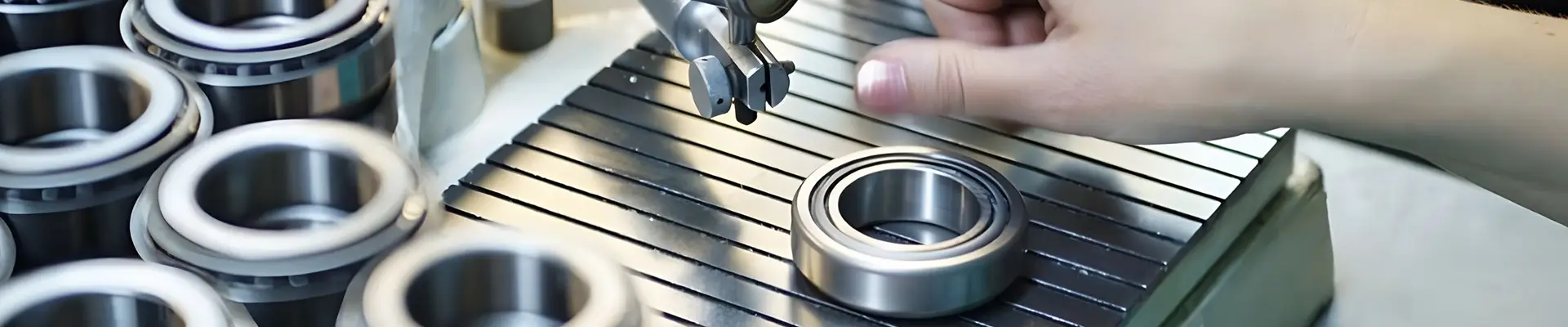
The Essential Guide to Lubricating Ball Bearings in Woodworking Tools
The Essential Guide to Lubricating Ball Bearings in Woodworking Tools
Table of Contents
- 1. Introduction to Ball Bearings in Woodworking
- 2. The Importance of Lubrication for Ball Bearings
- 3. Types of Lubricants for Ball Bearings
- 4. How Often Should You Lubricate Ball Bearings?
- 5. Step-by-Step Guide to Lubricating Ball Bearings
- 6. Common Mistakes to Avoid When Lubricating
- 7. The Impact of Proper Lubrication on Tool Performance
- 8. Frequently Asked Questions
- 9. Conclusion
1. Introduction to Ball Bearings in Woodworking
Ball bearings are crucial components in many woodworking tools, including saws, drills, and routers. They facilitate smooth rotational motion, allowing for precision and efficiency in woodworking tasks. As these tools are subjected to continuous use, understanding how to maintain and lubricate the ball bearings is essential for optimal performance and longevity.
2. The Importance of Lubrication for Ball Bearings
Proper lubrication of ball bearings in woodworking tools serves multiple critical functions:
2.1 Reducing Friction
Friction is the enemy of efficiency. Lubrication significantly reduces friction between moving parts, which can lead to overheating and premature wear.
2.2 Extending Tool Life
Well-lubricated ball bearings can last significantly longer than those that are not maintained. Regular lubrication not only extends the life of the ball bearings but also the overall lifespan of the woodworking tool.
2.3 Enhancing Performance
When ball bearings are properly lubricated, tools operate more smoothly. This results in better cutting precision and overall performance, elevating the quality of your woodworking projects.
3. Types of Lubricants for Ball Bearings
Choosing the right lubricant is critical for effective maintenance. Here are the most common types of lubricants used for ball bearings in woodworking tools:
3.1 Grease
Grease is a thick lubricant that stays in place, making it suitable for ball bearings that experience heavy loads. It's often preferred for tools that operate in dusty or dirty environments.
3.2 Oil
Oil is thinner than grease and provides excellent lubrication at high speeds. It’s suitable for tools that require frequent lubrication and operate at lower temperatures.
3.3 Dry Lubricants
Dry lubricants, such as graphite or molybdenum disulfide, can be used in environments where traditional lubricants may attract dust and dirt. They are best for applications with lower speeds and loads.
4. How Often Should You Lubricate Ball Bearings?
The frequency of lubrication depends on several factors:
4.1 Tool Usage
For tools that see daily use, lubrication should be performed every few weeks. Conversely, rarely used tools may only require lubrication annually.
4.2 Environmental Conditions
If you’re working in a dusty environment, more frequent lubrication may be necessary to prevent contaminants from affecting the bearings.
4.3 Manufacturer Recommendations
Always check the manufacturer's guidelines for specific lubrication recommendations. Adhering to these can ensure optimal performance.
5. Step-by-Step Guide to Lubricating Ball Bearings
Lubricating ball bearings is a straightforward process. Follow these steps for effective maintenance:
5.1 Gather Materials
You'll need the right lubricant (grease or oil), cleaning materials (like a cloth), and a small brush or applicator.
5.2 Disassemble the Tool
Carefully take apart the woodworking tool to access the ball bearings. Refer to the user manual for guidance.
5.3 Clean the Bearings
Use a cloth to clean off any old lubricant, dirt, or debris from the ball bearings. Ensuring a clean surface is essential for effective lubrication.
5.4 Apply Lubricant
Apply the chosen lubricant to the ball bearings. If using grease, ensure it's evenly distributed. For oil, a few drops are usually sufficient.
5.5 Reassemble the Tool
Carefully put your woodworking tool back together, ensuring that everything is properly aligned.
5.6 Test the Tool
After reassembly, run the tool briefly to distribute the lubricant evenly and check for smooth operation.
6. Common Mistakes to Avoid When Lubricating
Even experienced woodworkers can make mistakes. Here are common pitfalls to avoid:
6.1 Over-Lubricating
Applying too much lubricant can attract dust and debris, which can lead to a buildup that hinders performance.
6.2 Using the Wrong Lubricant
Choosing an inappropriate lubricant can damage the bearings. Always select a lubricant that matches the tool's specifications.
6.3 Skipping Cleanliness
Failure to clean the bearings before lubrication can trap dirt and debris, leading to premature wear.
7. The Impact of Proper Lubrication on Tool Performance
When ball bearings are well-lubricated, the benefits extend beyond just the bearings themselves. Proper lubrication enhances the overall effectiveness and reliability of woodworking tools.
7.1 Improved Cutting Precision
With reduced friction, tools can maintain their designed cutting angles, leading to cleaner cuts and better finishes.
7.2 Decreased Downtime
Regular maintenance and lubrication reduce the likelihood of unexpected breakdowns, allowing woodworkers to maximize productivity.
7.3 Cost Efficiency
Investing time in proper lubrication saves money in the long run by reducing the need for frequent replacements or repairs.
8. Frequently Asked Questions
8.1 How do I know when to lubricate my ball bearings?
Signs that your ball bearings need lubrication include noise during operation, reduced performance, or overheating.
8.2 Can I use any type of lubricant for my woodworking tools?
No, it’s essential to use a lubricant specifically recommended for the type of ball bearings and the operating environment of your tools.
8.3 How do I choose the right lubricant for my tools?
Consider factors such as the type of tool, its operating conditions, and the manufacturer's recommendations when selecting a lubricant.
8.4 Is it necessary to lubricate ball bearings in electric tools?
Yes, electric tools also require proper lubrication to ensure smooth operation and extend their lifespan.
8.5 What should I do if my ball bearings are already damaged?
If ball bearings show signs of damage or excessive wear, they should be replaced rather than lubricated.
9. Conclusion
Understanding how to properly lubricate ball bearings in woodworking tools is essential for maintaining optimal performance and extending the lifespan of your equipment. By selecting the right lubricant, establishing a regular maintenance routine, and avoiding common mistakes, woodworkers can ensure their tools operate smoothly and efficiently. Investing time in this aspect of tool care not only enhances performance but also contributes to better craftsmanship and longer-lasting tools. Prioritizing proper lubrication will ultimately lead to improved results in your woodworking projects, making it a vital practice for any serious woodworker.
Related News
